Tri-Link Antenna
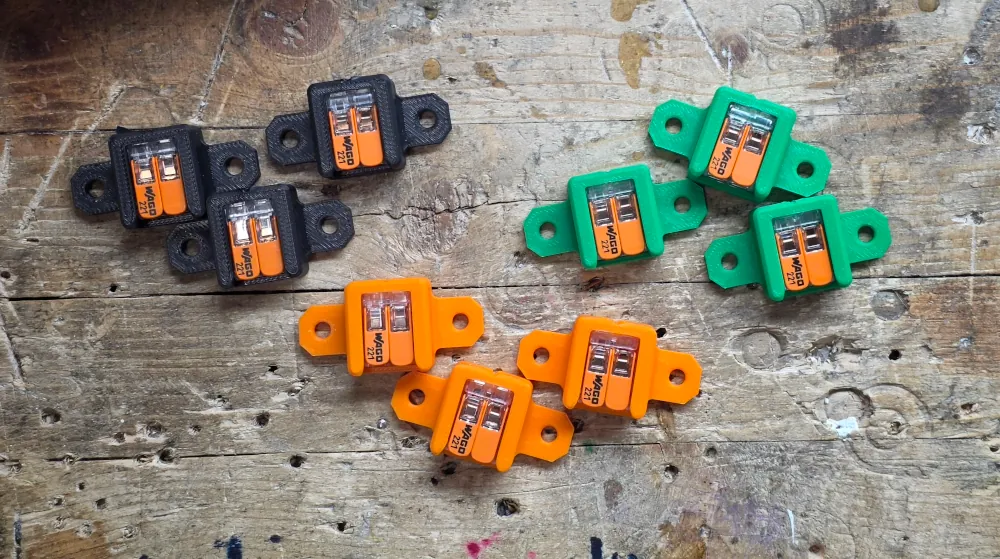
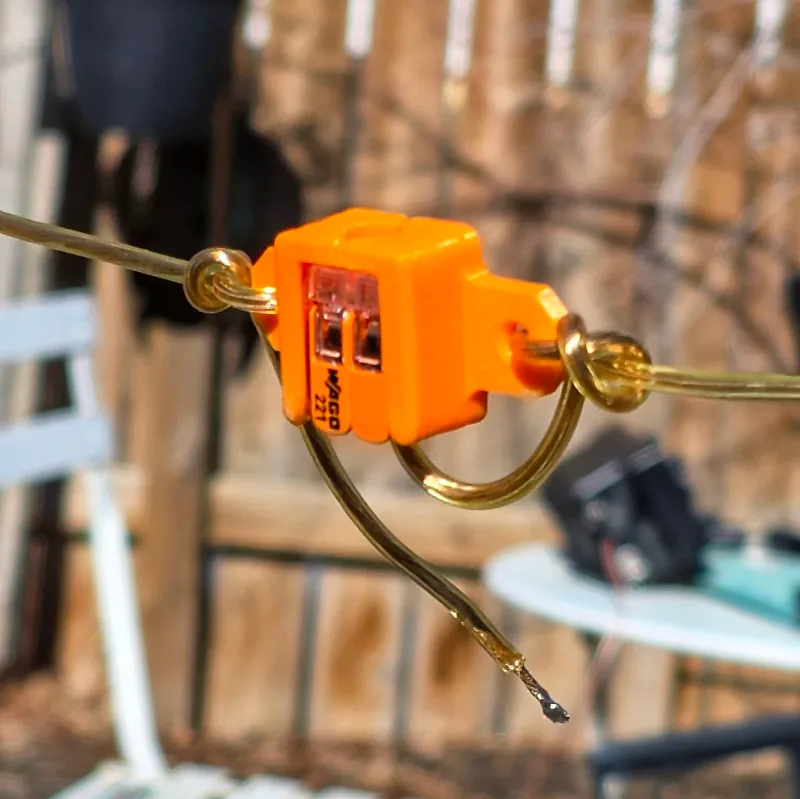
I decided to make a Vertical Tri-Band antenna using my snazzy antenna links. This vertical has two raised & tuned ground radials. It’s basically a ripoff of the KJ6ER POTA PERformer antenna but is linked for the 15M, 17M and 20M bands. This is a decent solution if you don’t have an antenna whip (which I still don’t).
The Build
The Wire
18AWG Speaker Wire that I had in stock from a previous build. I cut 1/4 wave wire length for the 15M band. Then added the chunks for 17M & 20M.
| 15M: | 3.36m | Chunks: |
| 17M: | 3.94m | 0.58m |
| 20M: | 5.03m | 1.09m |
These were cut to science. But in reality, by 20M chunk was a bit short so I brought it up to ~1.29m
I cut three of everything.
Junction Box
I ordered some el-cheapo plastic project boxes from Amazon. The lids just pop off with a screwdriver. Definitely not weather sealed. But for this temporary antenna it’s just fine. The main goal of the box is to provide a decent amount of strain relief for the wire. I drilled it out for a BNC connector and strain relief holes.
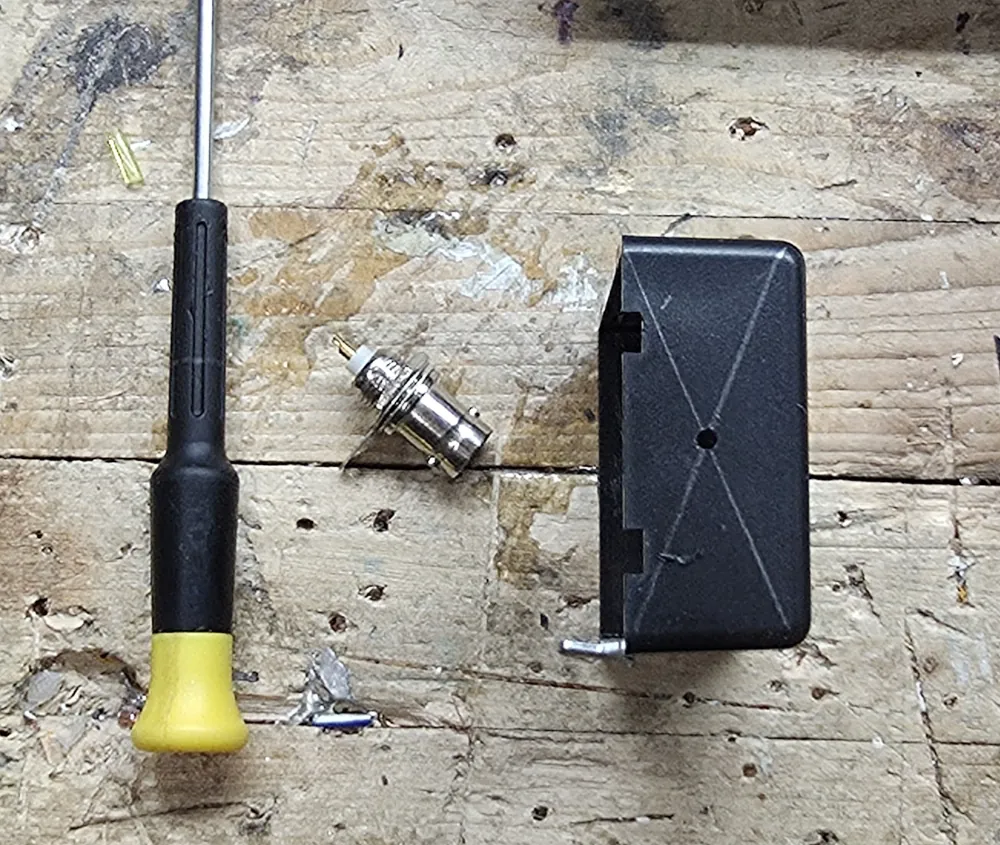
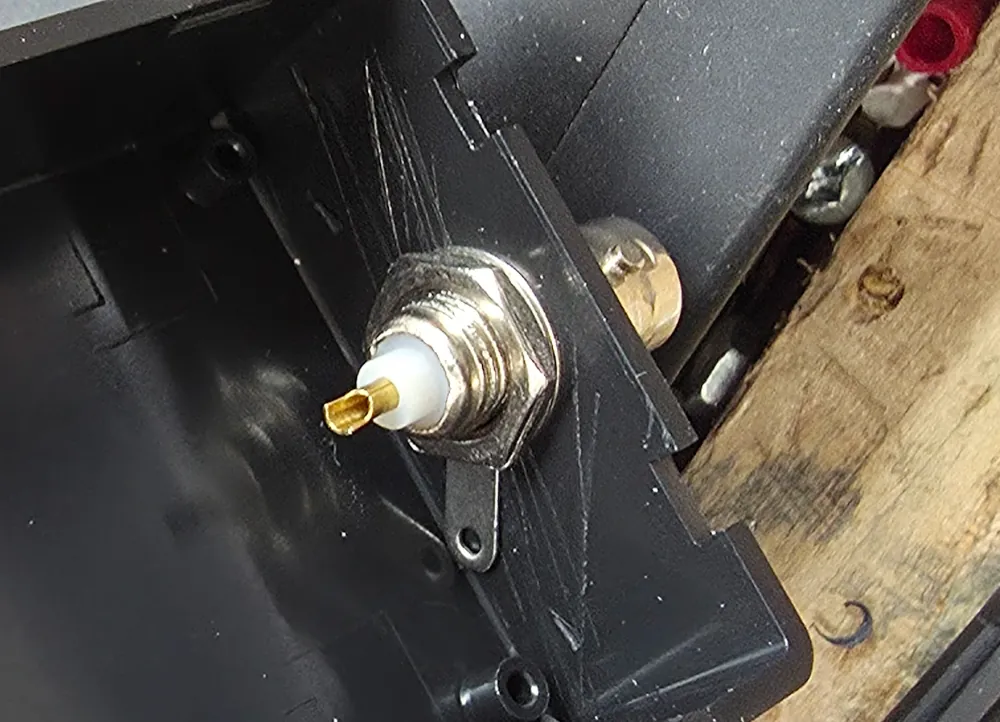
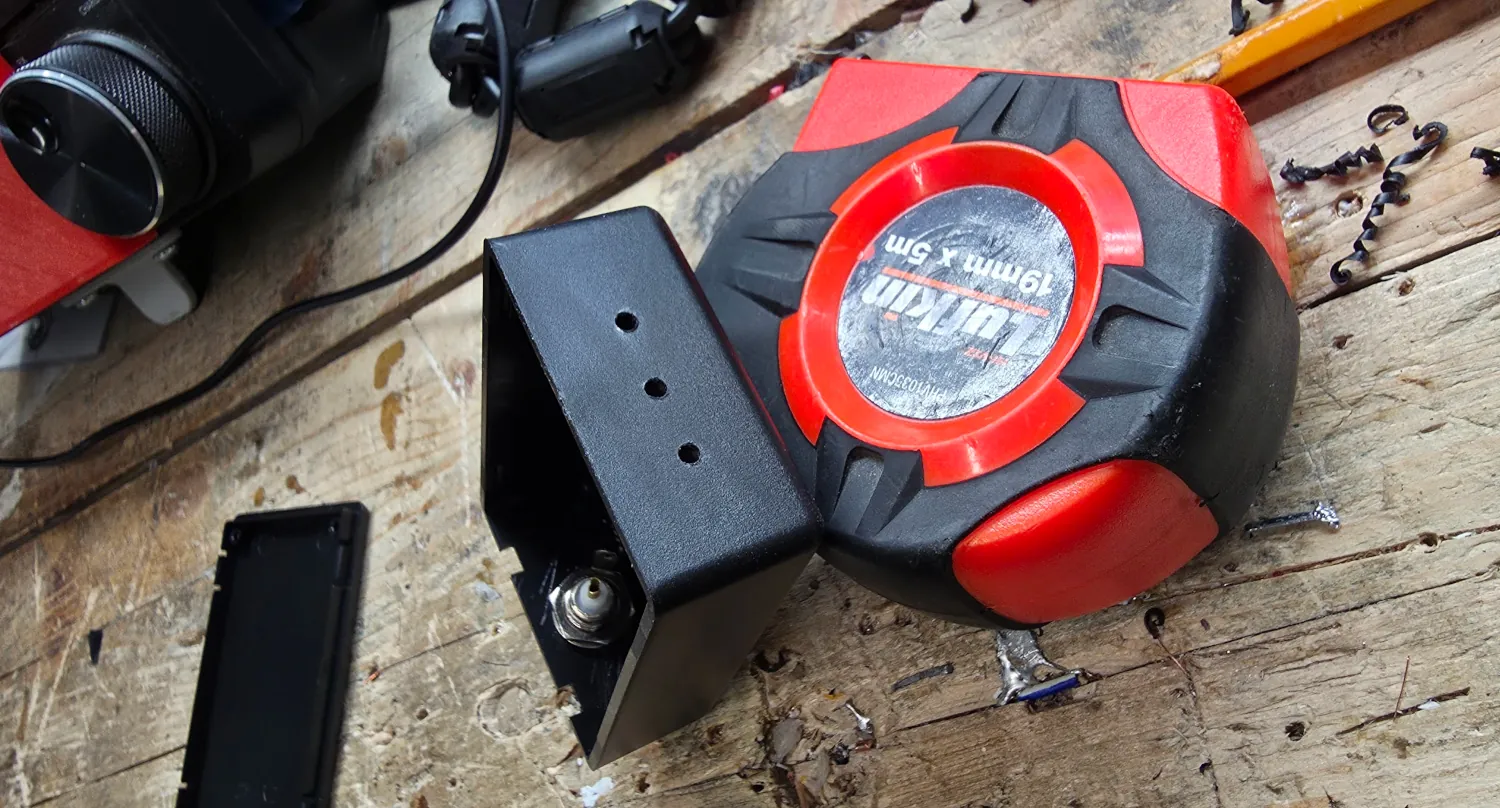
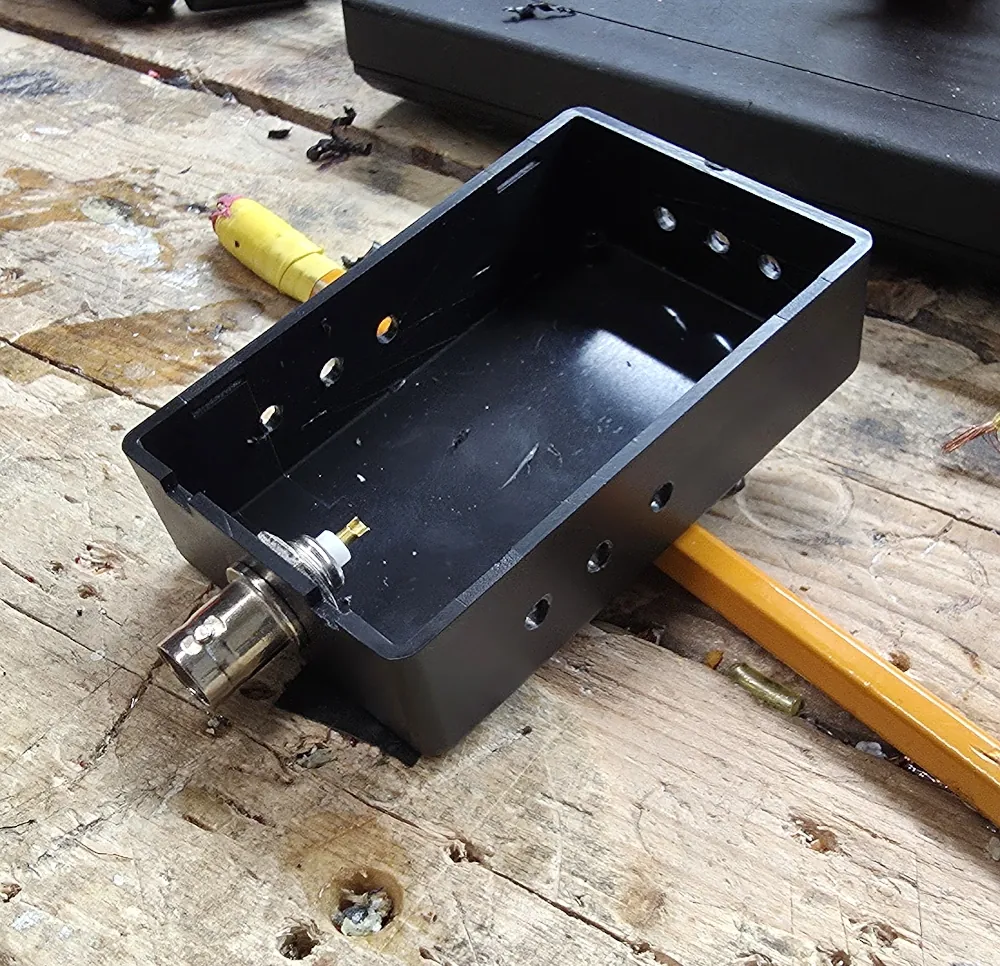
I decided to directly solder the wire to the BNC connector. I fished the wire through the strain relief. I soldered the ground radial elements together and to the ground of the BNC. Then I soldered the main vertical radiator to the center. This way there is never any direct strain on the solder connections.
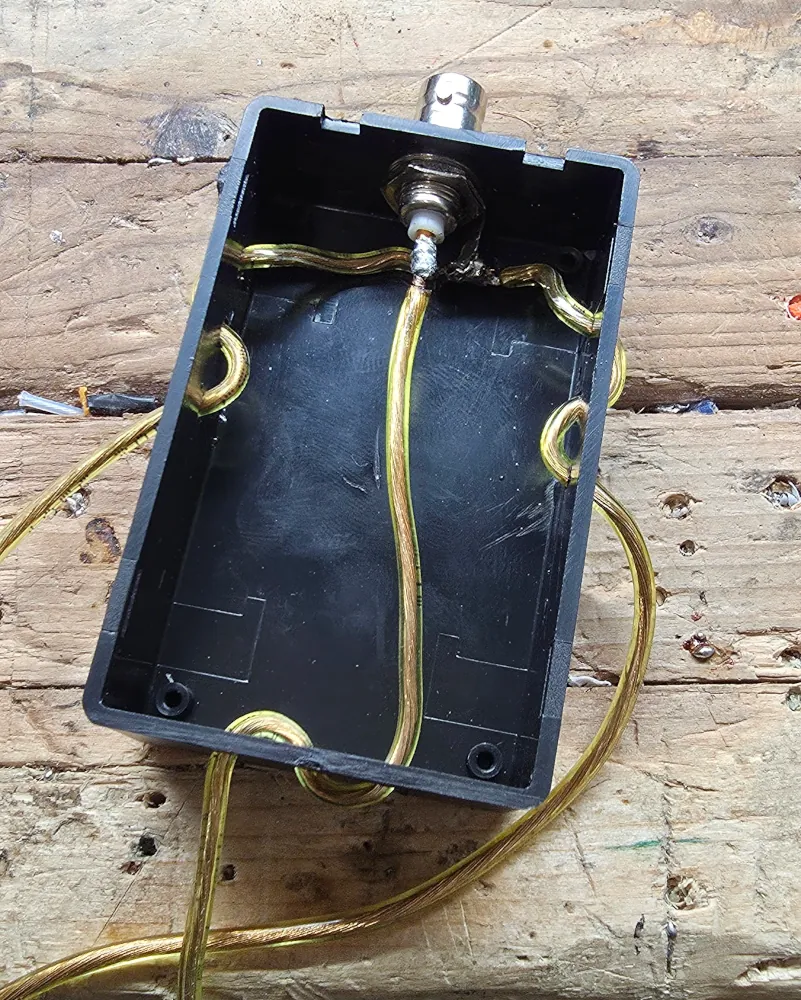
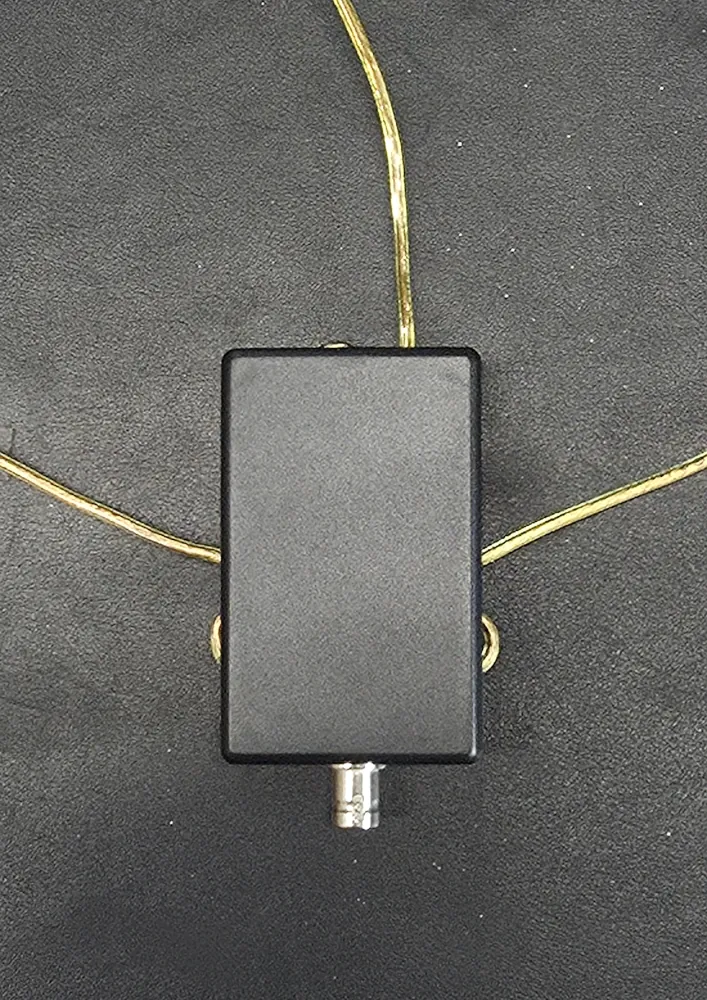
Put the lid on and voila! Very clean and super lightweight.
Tuning
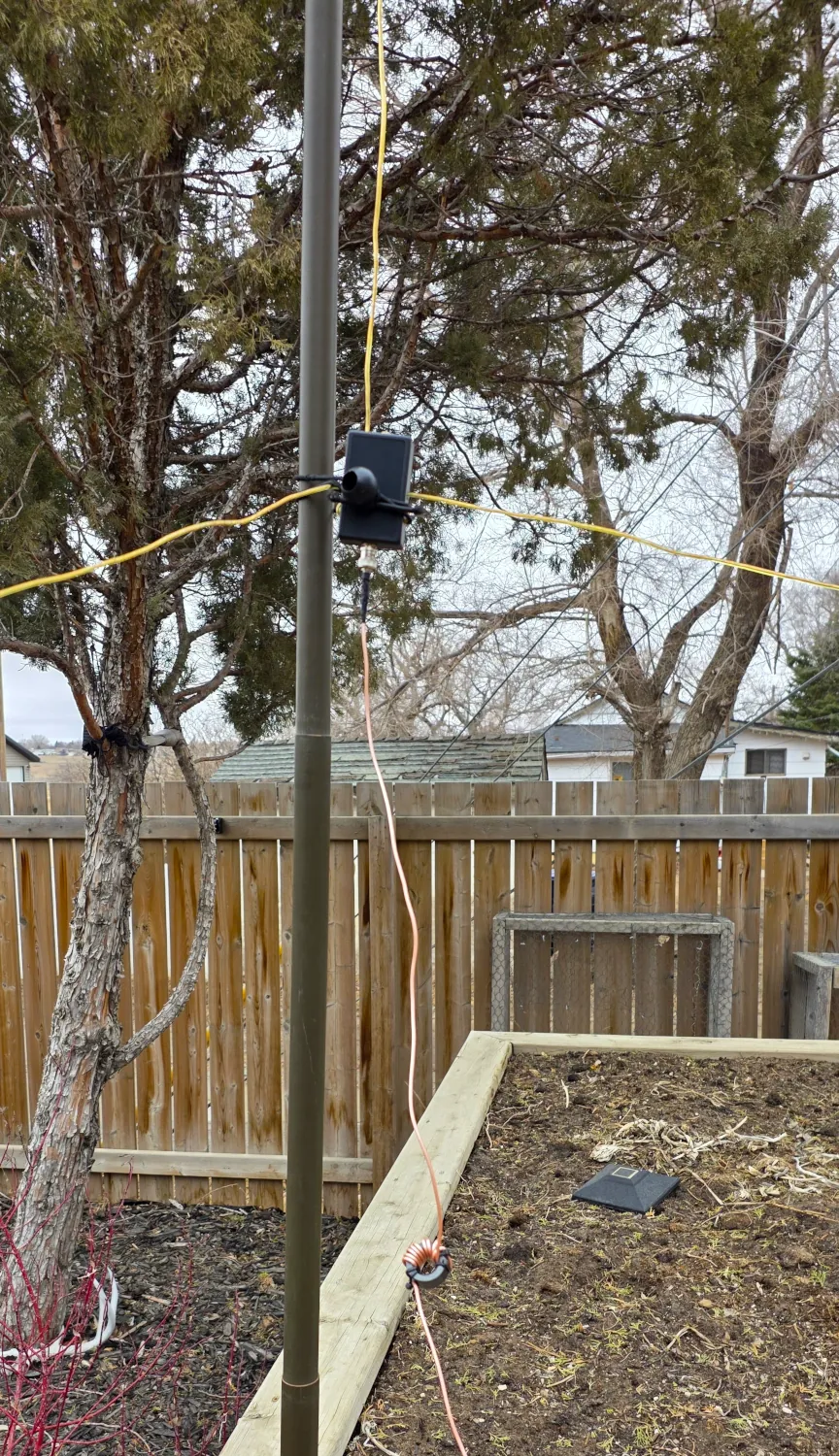
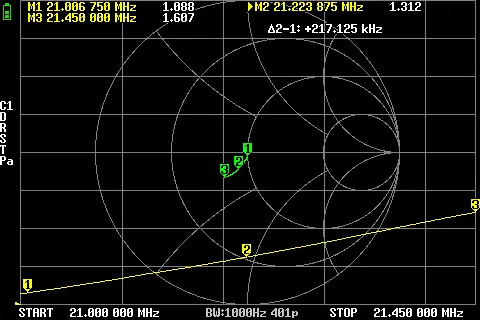
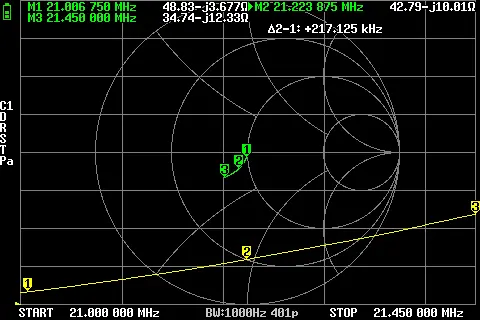
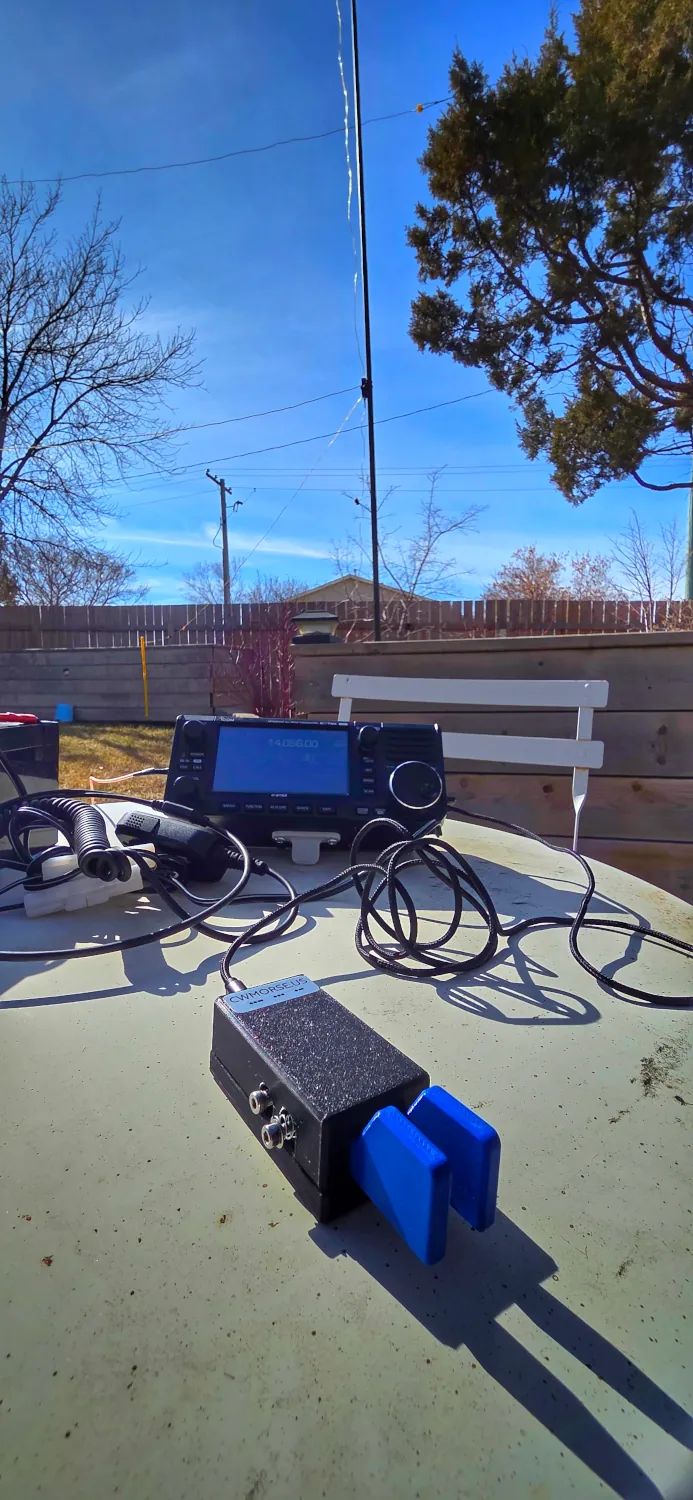
I set it up in the backyard and did some quick tuning. The 15M and 17M bands were perfect as cut to science lengths. The 20M band needed some tweaking as mentioned above. Each band is completely under 1.6:1. No tuner needed. I used 25’ of RG-316 with an integrated Type 31 choke.
Finishing Touches
After the tune up, I tinned all the wire ends. This is a really good thing to do to make sure the wire doesn’t splay or get damaged as you use the links.
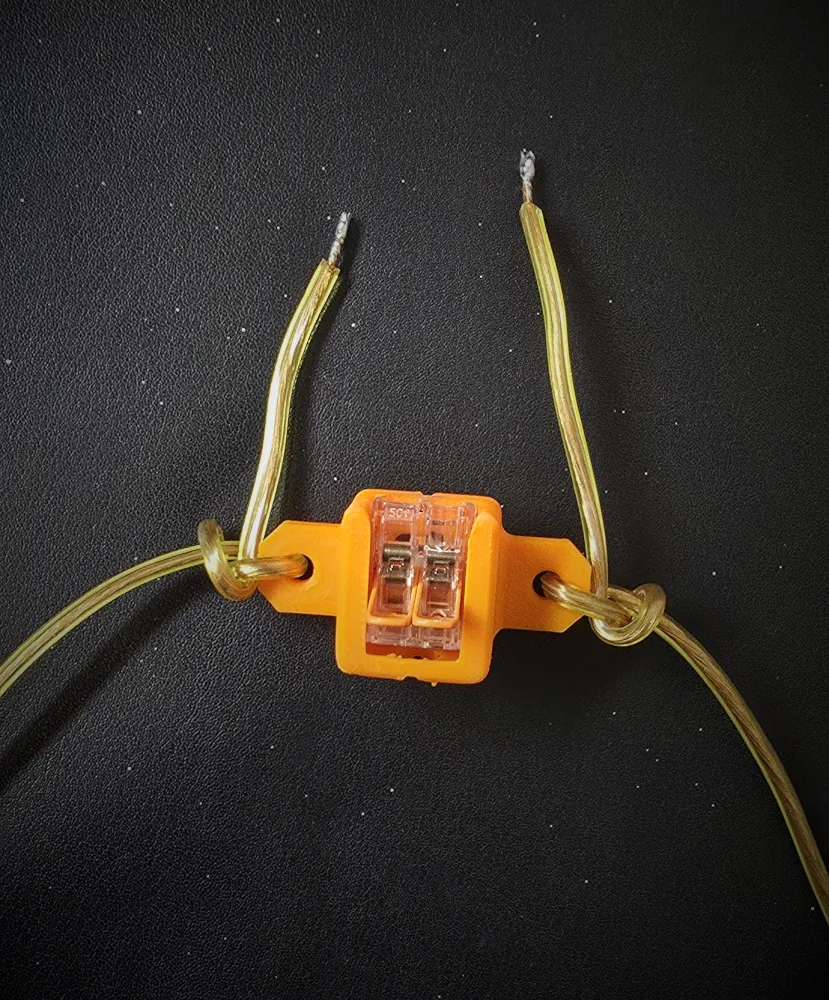
I added some hanging loops with 95 paracord and heat shrink. This gives a convenient way to support the vertical and the radials when deployed. I used blue for the vertical and orange for the radials, just as a way to instantly see which wire goes where.
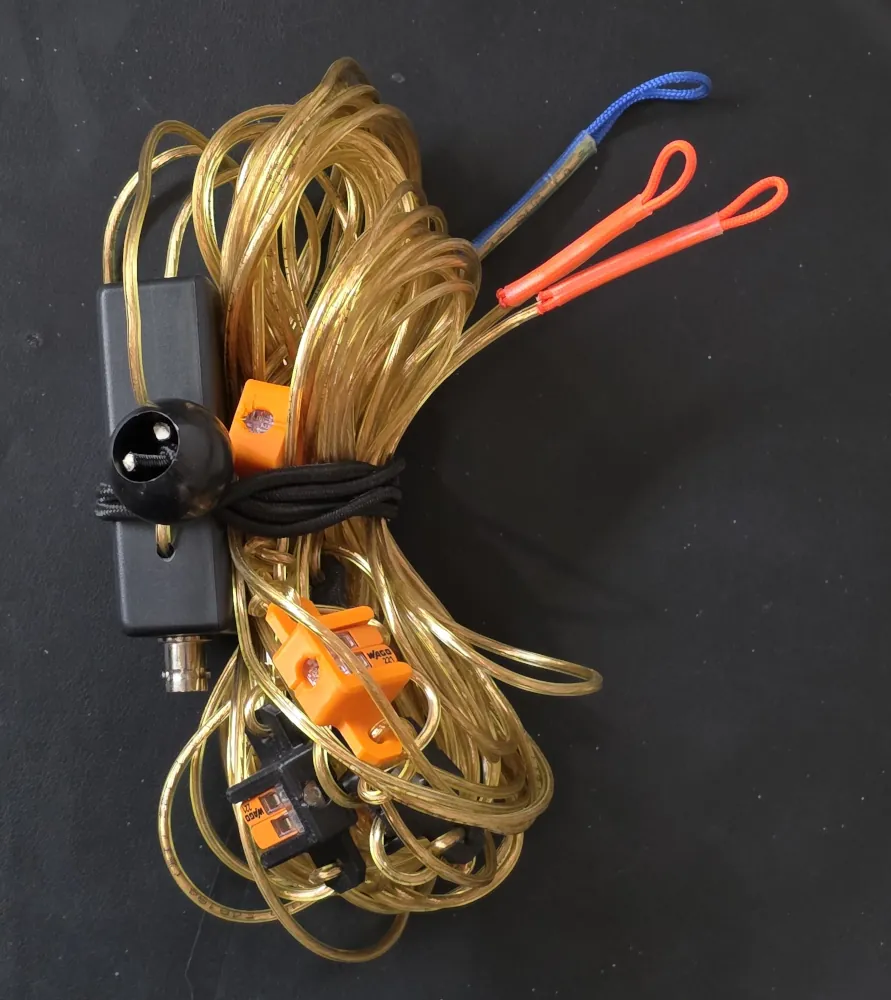
Testing
NanoVNA Sweeps
15M
17M
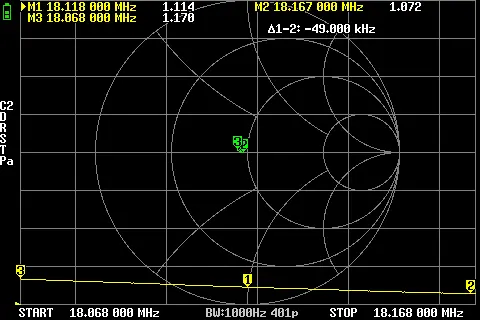
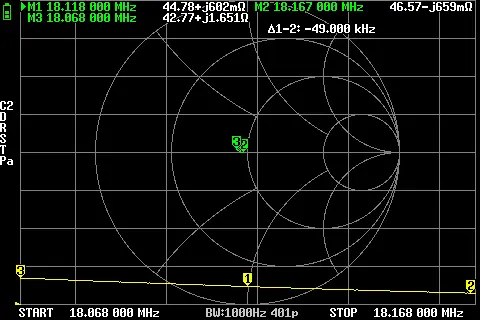
20M
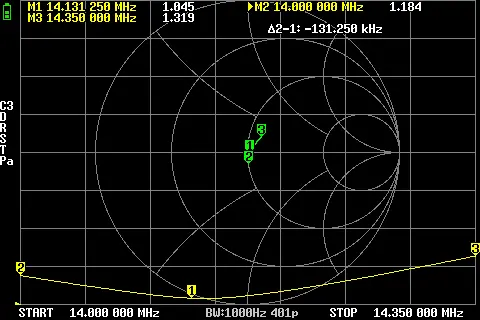
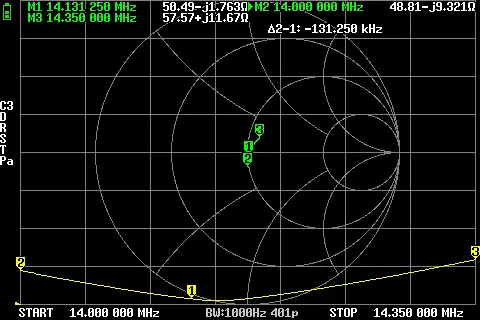
Each band looks pretty good. I could have adjusted the 15M a bit more, but otherwise I’m pretty happy with these results.
WSPR Testing
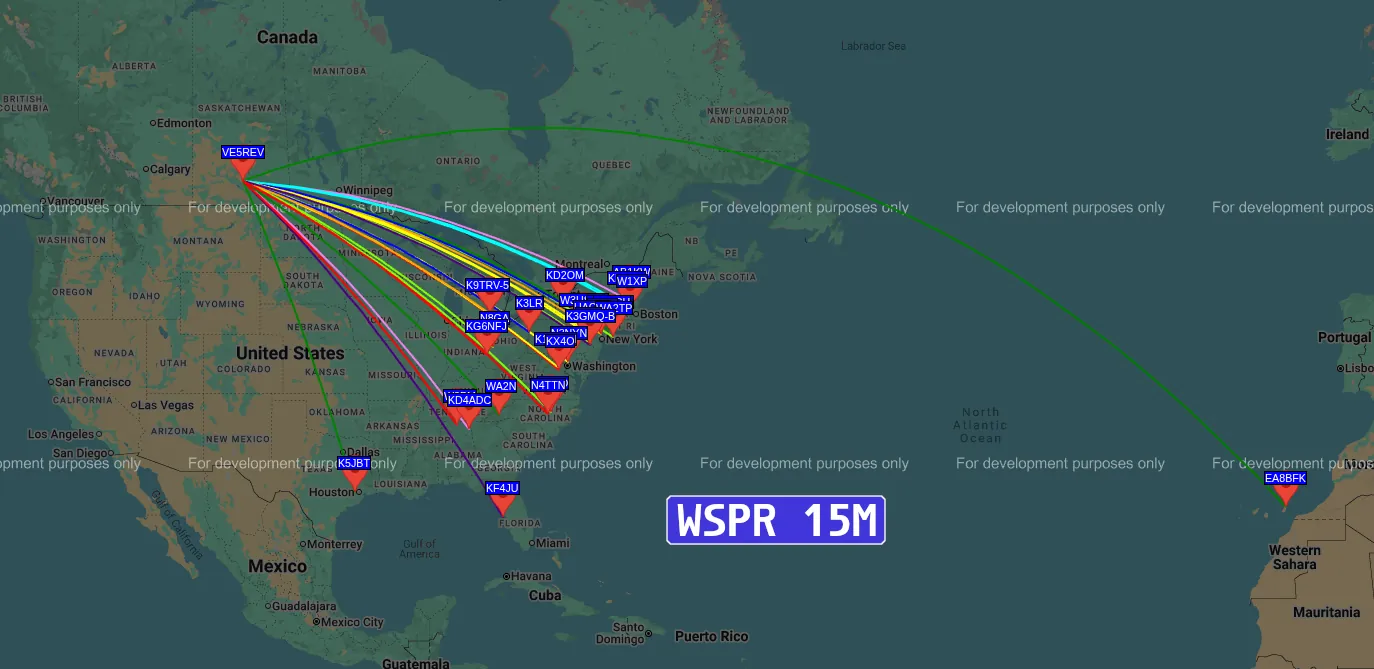
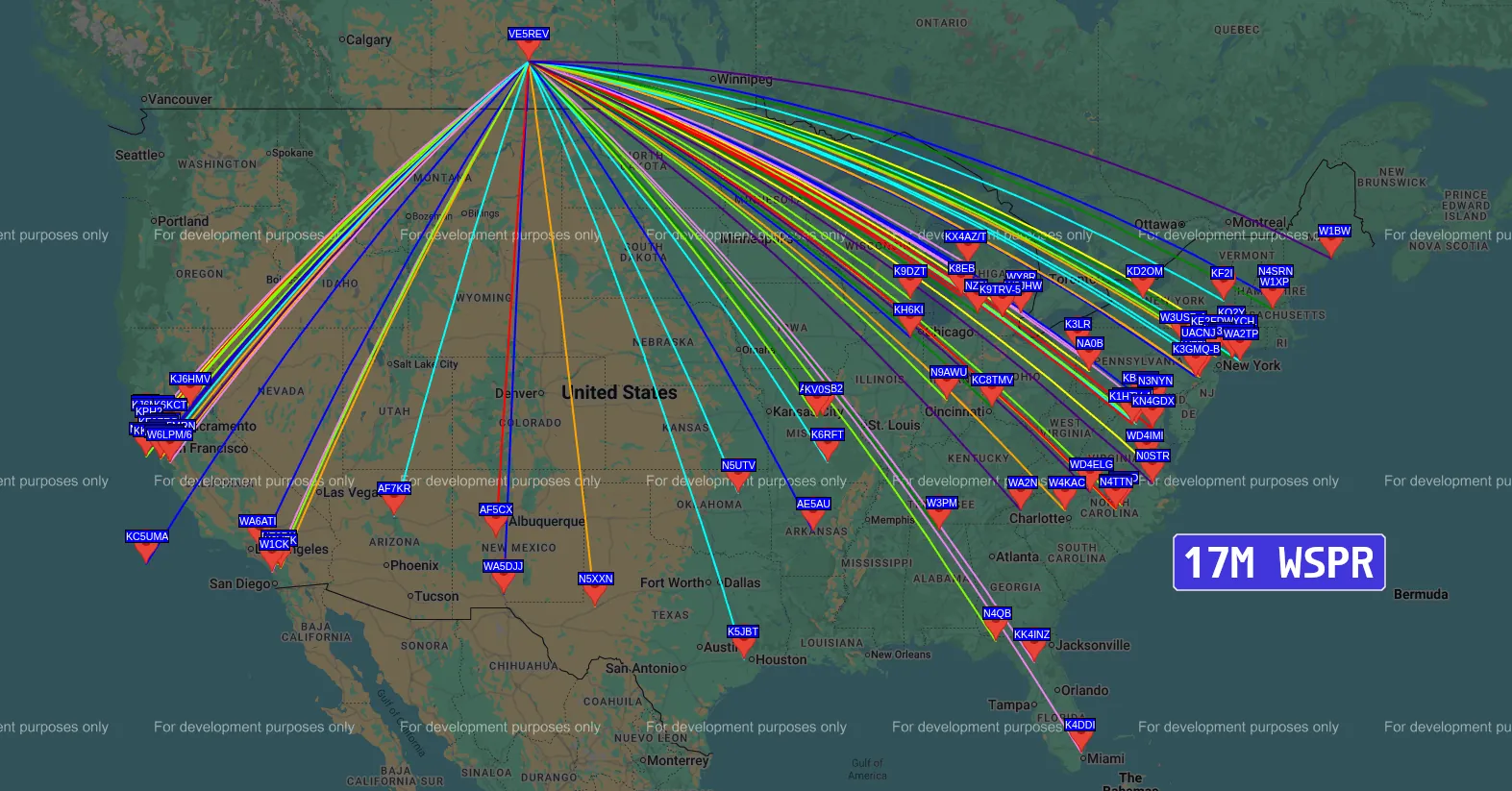
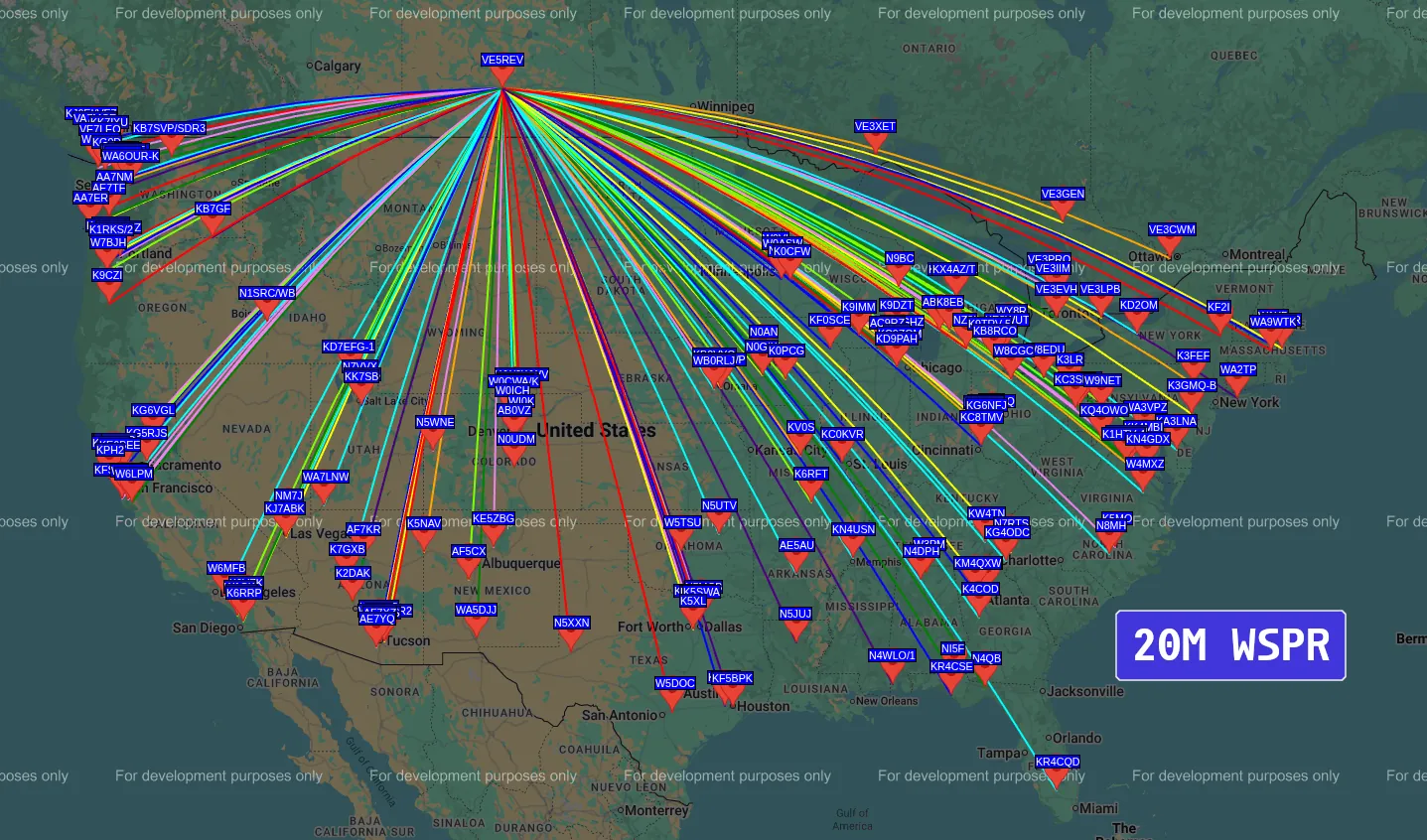
All of the WSPR tests were performed at 1 Watt for 20 minutes. Antenna was deployed with the radials facing south, approximately 45° angle.
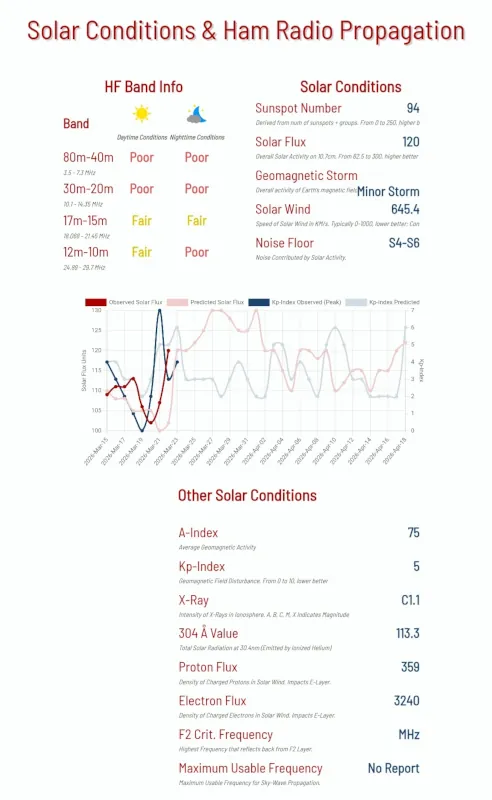
CONDITIONS:
Conditions were not great.
DATA:
| BAND | SNR Max | SNR Min | SNR Avg |
| 15M | +06 | -31 | -18 |
| 17M | +14 | -29 | -15 |
| 20M | +12 | -34 | -14 |
| BAND | KM Max | KM Min | KM Avg |
| 15M | 7,712 | 1,878 | 2,686 |
| 17M | 3,464 | 1,558 | 2,251 |
| 20M | 2,788 | 1,088 | 1,724 |
PATTERNS:
15M
17M
20M
Conclusion
This is an absolutely banger antenna! Having the snazzy links really solves a lot of problems. You get true multi-band performance that is ultra efficient with no harmonic weirdness. It’s relatively easy to build and deploy. In fact, this would make a great second antenna for a ham to build (right after the token dipole). As a vertical, it will most definitely have great take off angle for DX. And not needing a tuner will make it awesome for POTA and light weight portable setups.
73 de VE5REV