Is My Antenna Good?
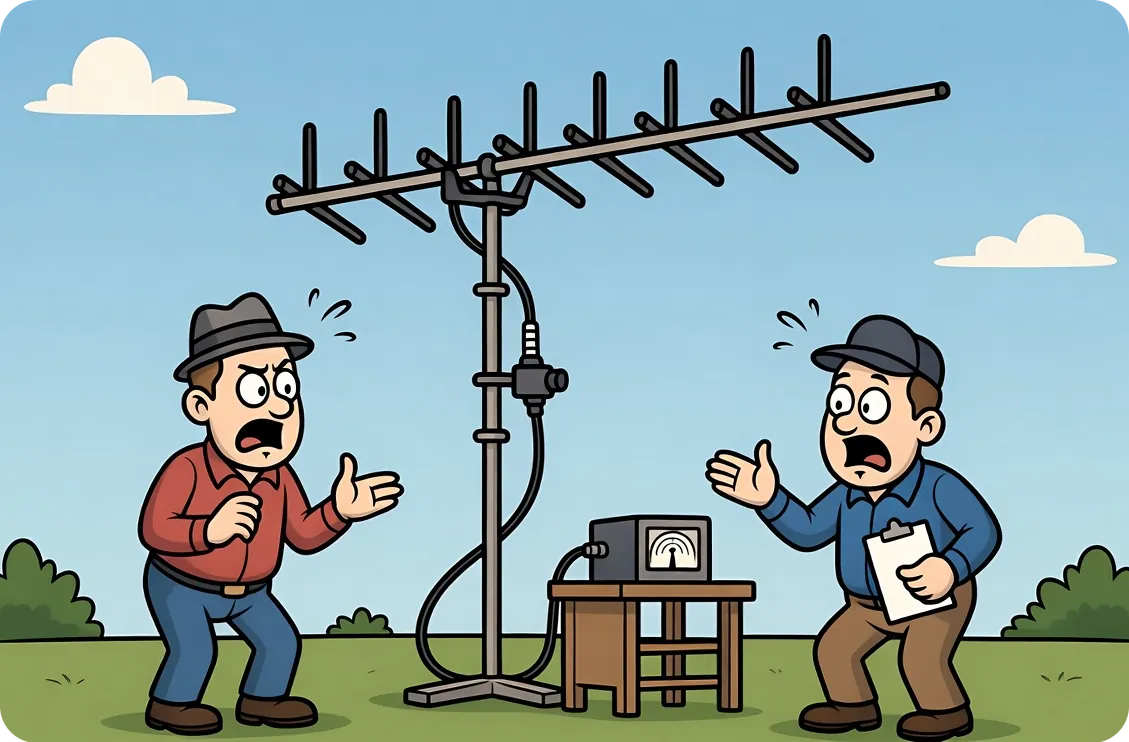
“It’s a great antenna!” “That won’t work!” “That’s wrong!” “I make all these contacts!” “I’m really getting out there!” “If it works, it works!”
We’ve all heard these things and said these things. But is there actually any objectivity to these kinds of statements about antennas? Often we live in the realm of subjectivity. I think this or I feel this, etc. But how can we know for sure? This post outlines a few things to consider about Antenna performance.
Key Factors to Consider
Here are the main performance metrics to compare, ranked roughly by importance for most hams:
Use Case
What is the antenna’s main goal: DX on HF, local ragchewing, VHF/UHF contesting, portable operations, mobile use? A high-gain Yagi might crush a dipole for long-distance work but be useless for short-range NVIS. Always define your use case first.
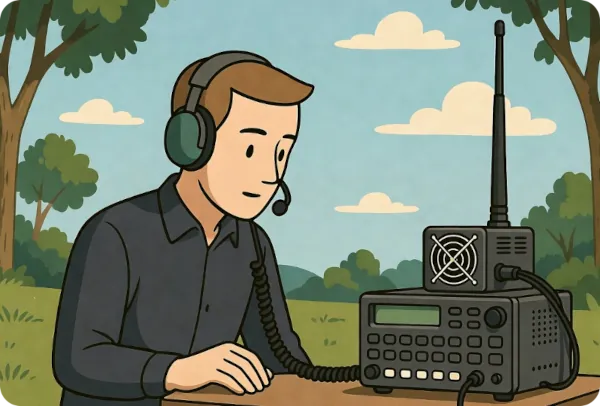
Radiation Pattern (Directivity)
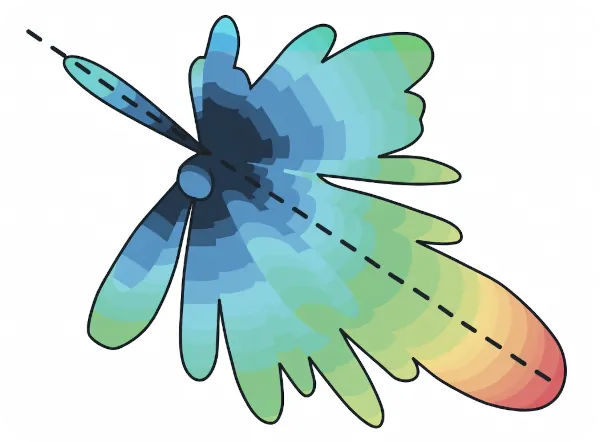
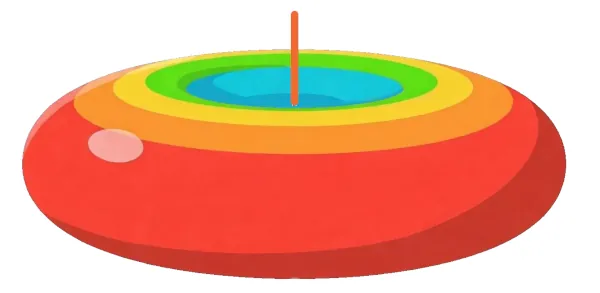
Shows where RF energy goes (main lobe, sidelobes, nulls). Includes takeoff angle (critical for HF skywave) and 3D vs. 2D views. A high-gain antenna concentrates power in one direction; a low-gain one spreads it more evenly.
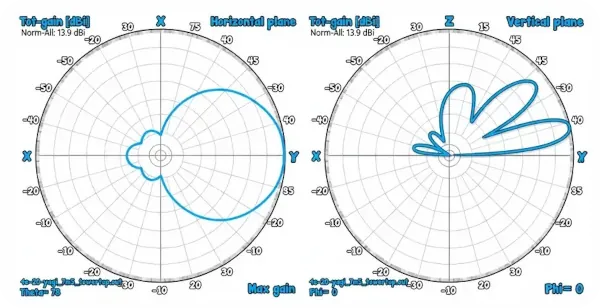
Gain
Maximum forward gain in dBi (isotropic reference) or dBd (dipole reference). Higher is usually better in the desired direction, but only if the pattern matches your needs.
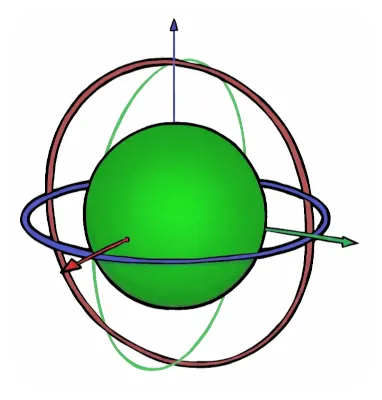
Efficiency
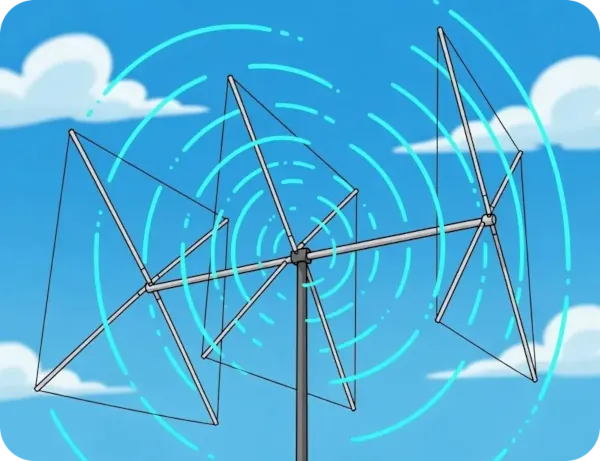
Percentage of input power actually radiated (vs. lost as heat in wires, ground, traps, or matching network). An “efficient” antenna can outperform a “high-gain” one if the latter wastes power.
SWR Match
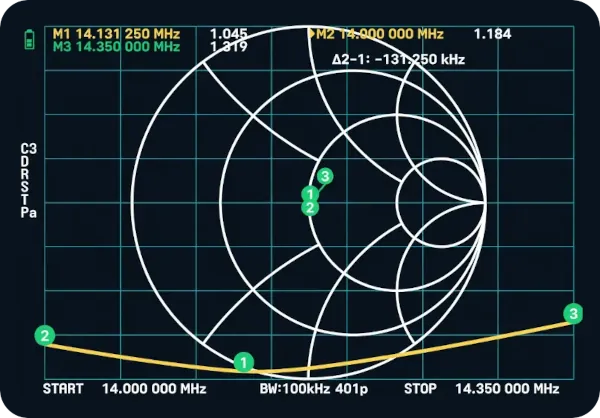
How well does the antenna matches your feedline (ideally <2:1). The closer the match, the better the power transfer (efficiency).
Bandwidth
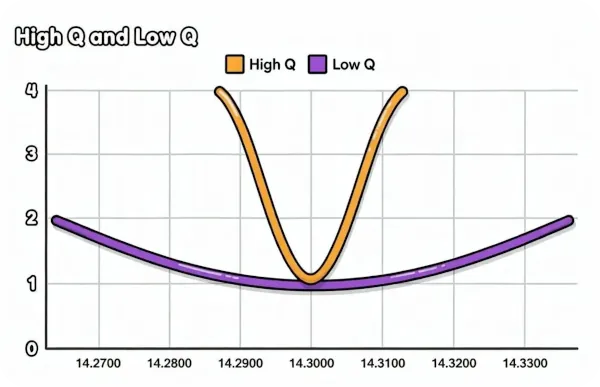
How many frequencies can the antenna work? The Q-factor or quality factor shows if the antenna is narrow vs. broad bandwidth. Preference depends on your use case.
Front-to-back Ratio
For directional antennas, how much rejection off the back/sides and how narrow the main beam profile is.
Deployment
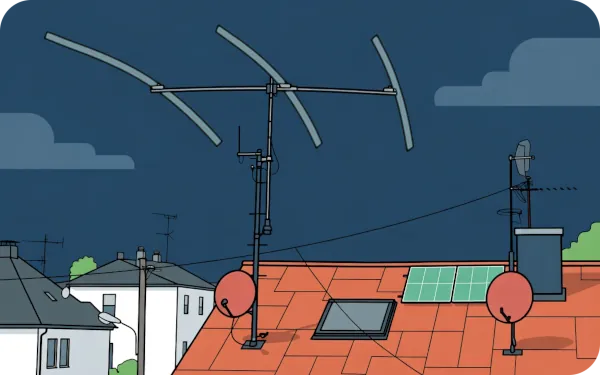
Height above ground; ground quality; nearby objects; wind/ice loading effects; physical size/cost/installation ease.
Effectiveness
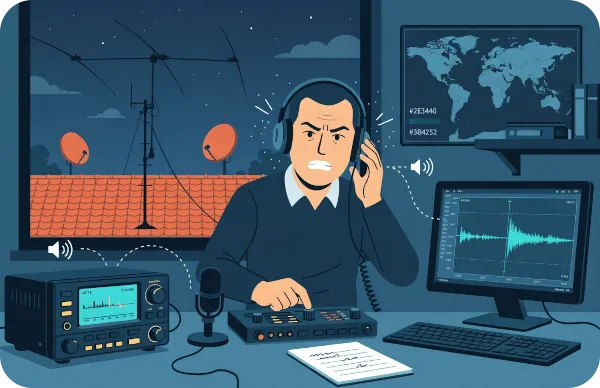
Efficiency is how much power you radiate. Effectiveness is how well that radiation reaches the other station (pattern + propagation + takeoff angle may matter more than raw efficiency in many cases).
Testing
Simulation
Antenna modeling can give a good idea about how an antenna design may perform. Lots of software exists for this.
Real-World Measurements
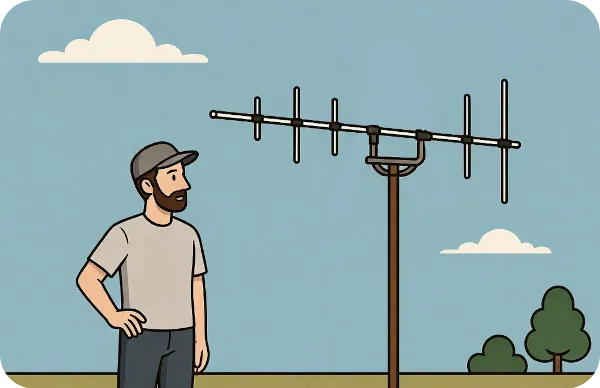
Simulations and modeling are useful tools. But you never actually know what the antenna is going to do in the real world. So actually build the antenna. Deploy it and see.
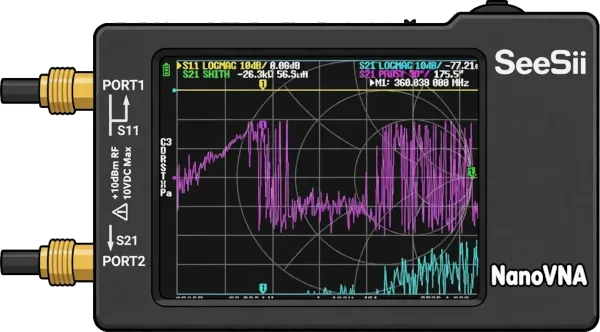
NanoVNA
Sweep for SWR and Smith Chart readings. Make the necessary adjustments for resonance.
WSPR
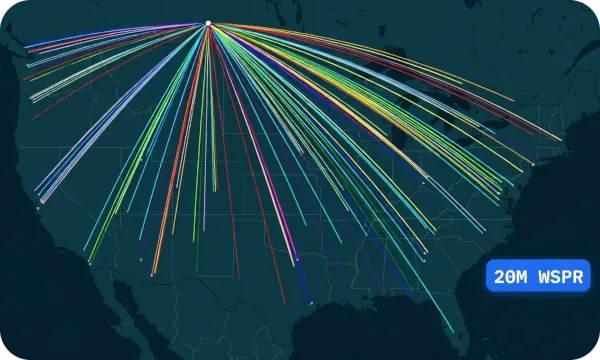
Do a transmit test. Run the WSPR mode for a period of time. This will visually show you your antenna pattern. It provides a wealth of real-world data (max, min, avg) in the SNR reports and distances of the contacts.
A/B Testing
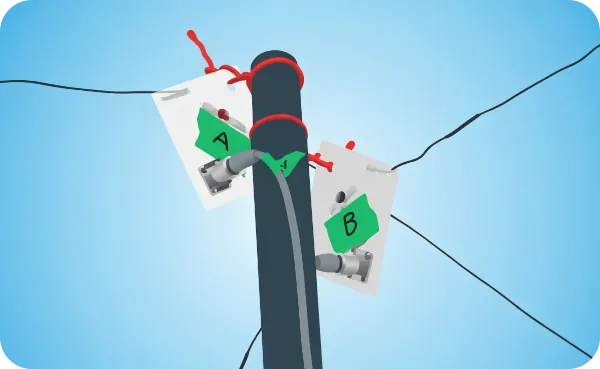
For comparing two antennas, strive for an apples-to-apples approach.
Mount both antennas at the same height and location.
Use the same radio, power level, feedline, and time window to eliminate variables. Don’t run one test for 20 minutes, then the other. Conditions may change a lot in that time. Run transmission tests back to back. Antenna A, then Antenna B. JS8Call works great for this. Record your SNR reports for each transmission in series.
73 de VE5REV