The WARC Wiz

My Antenna Link design was well received in the Ham Radio community so I thought it was time to put the design into practice in the real world with a linked EFHW antenna. The one I had in mind is what I’m calling the “WARC Wiz” - a linked EFHW antenna for the WARC Bands. This build covers the 12, 17 and 30M bands - perfect for WARC Band Wednesday or Winlink Wednesday or, for a limited time only, both!
The Build
The Base
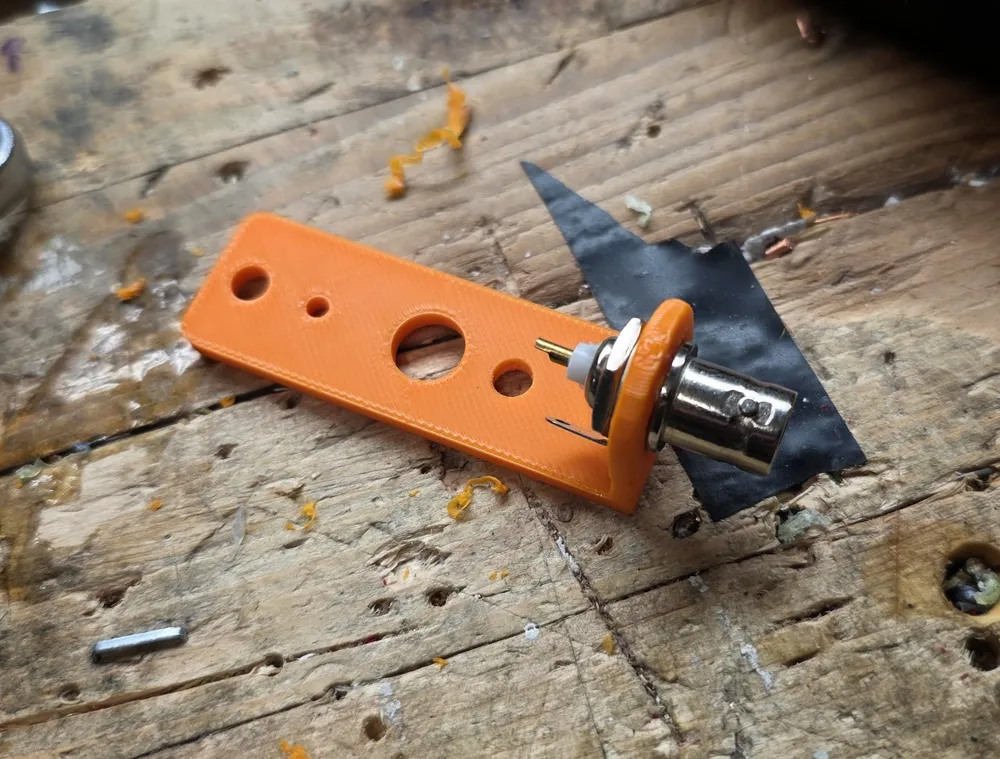
VE5ARV 3D printed me this nice little base. It’s actually a bit small for this core. It’s meant for QRP tiny cores. But I got it to work.
The Core
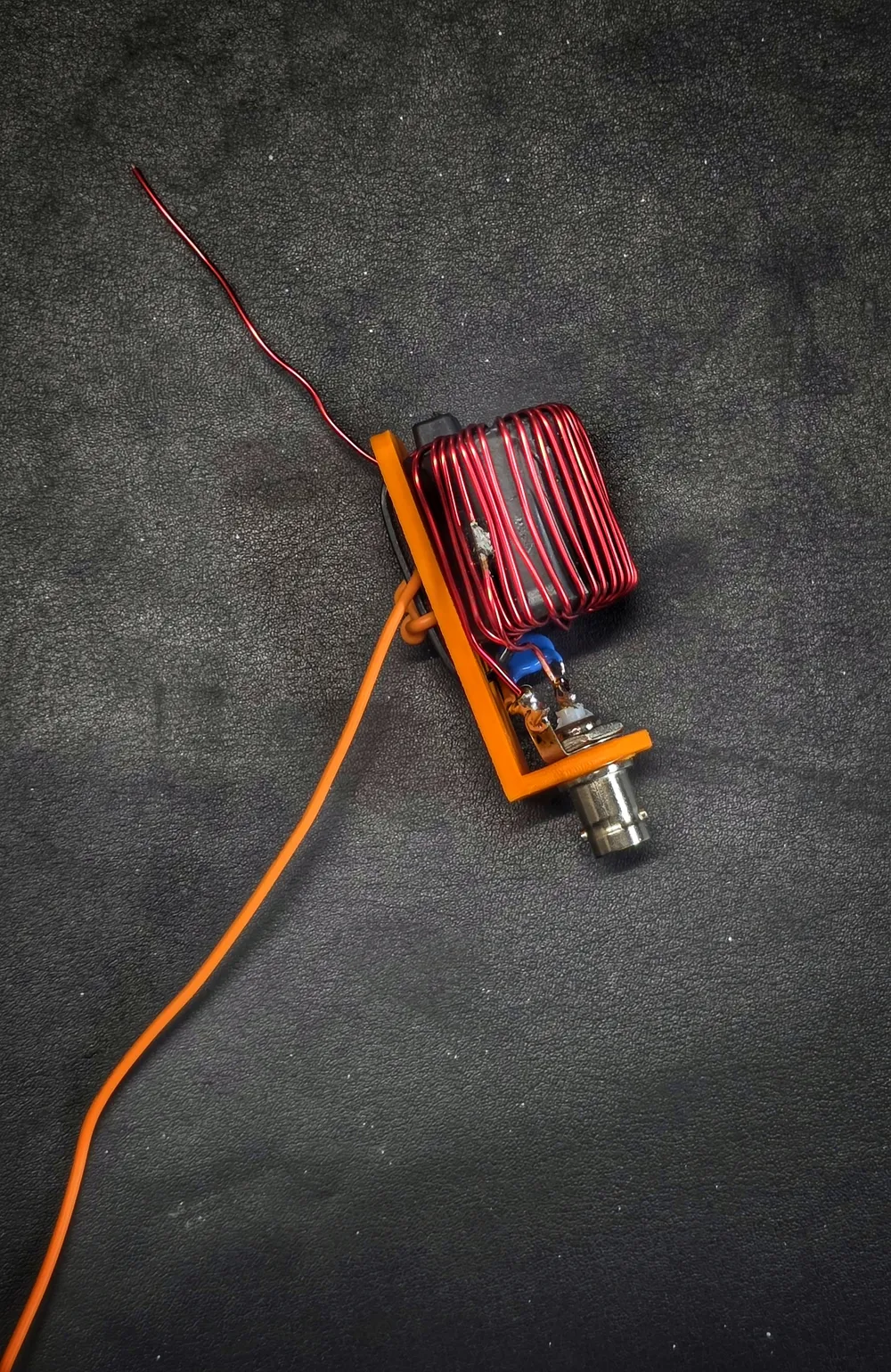
I decided to build this on a Type 61 core (2661102002). It’s a more of a bead than a typical toroid. I built a couple of iterations of this transformer. I first went with a 64:1 ratio (3:24) to see if the extra induction would help it on the 30M band (which you can see below that it did, but not without side effects). In the end I used a 36:1 ratio (3:18) for the final build. I used 18AWG enamel wire and a 120pF capacitor for each iteration.
Counterpoise
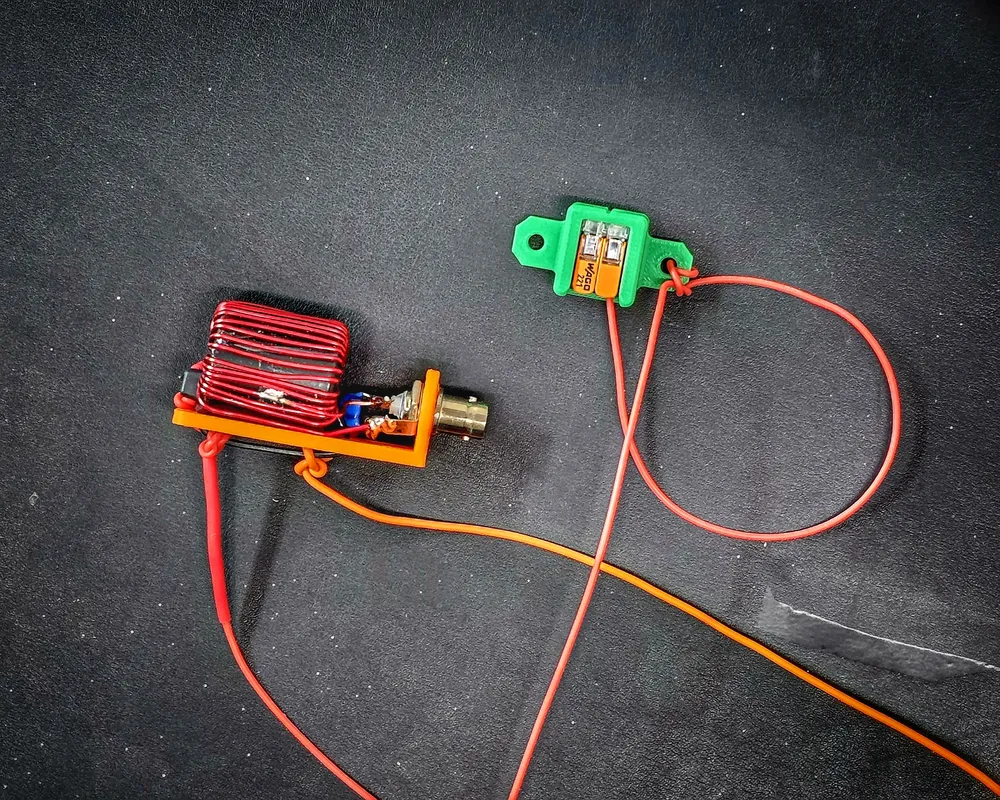
The 30M band only needs around 55” of counterpoise for the EFHW configuration. I was trying to decide if it would be better to include a dedicated wire on the ground terminal or use unchoked, length-specific coax. This is my preferred way of constructing EFHW antennas. Even if you add a dedicated counterpoise, you still need to have a 1:1 choke at the feed point to force the common mode current onto the counterpoise and keep the antenna pattern clean. I decided that in this case, I would include a 4’ piece of counterpoise hardwired into the build. This way you just slap on a 1:1 choke (along with a 12” coax jumper) after the transformer, which is simpler than keeping track of a shorter piece of coax.
The Wire
I wanted to make this build as a go anywhere, light as possible antenna, fitting the bill for EMCOMM or for POTA. I decided to use 26 gauge BNTECHGO wire.
The wire sections are as follows. These measurements are to science, not reality and not accounting for velocity factor. They are cut for the center of each WARC band.
| 12M | 24.940 | 5.72m |
| 17M | 18.118 | 7.87m |
| 30M | 10.125 | 14.09m |
So you start with the 12M and add a section for 17M and a section for 30M.
| 12M | 5.72m |
| 17M | 2.15m |
| 30m | 6.22m |
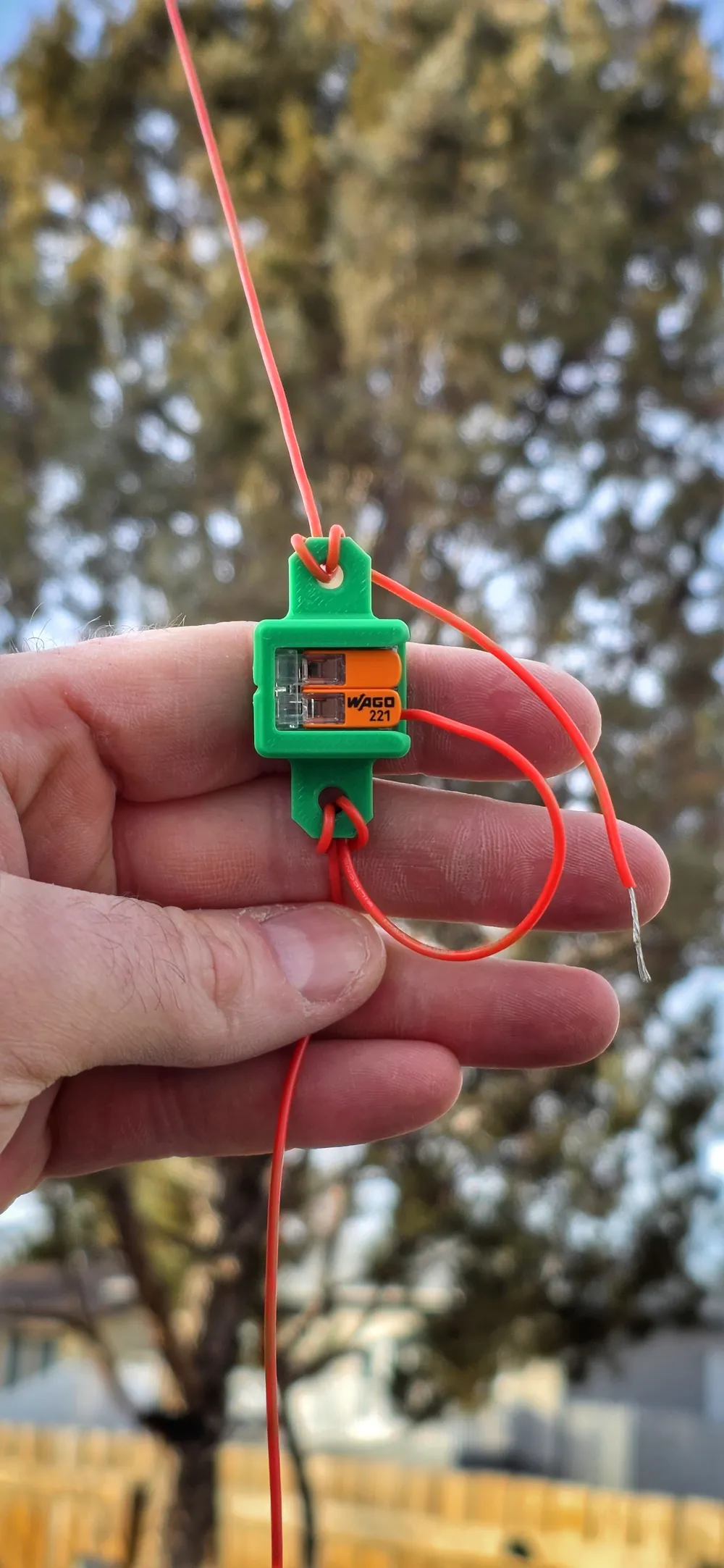
Then you go to work tuning each section for each band, building on the preceding section. The Wago antenna link is the cat’s pajamas for this process because you simply trim and strip your wire and slam it back into the Wago. When you’re all tuned up, remember to solder your wire tips to keep the antenna wire from fraying.
Deployment and Testing
The weather broke and I did a temporary setup in the backyard. I was able to tune up the 12M and 17M sections. I didn’t have enough room for the 30M leg but the initial setup and tune up went very well. The antenna links are super, super easy to make adjustments. Just trim the section, strip back the sheathing, retie the knot as and voila! I brought out the IC-705 and made a 17M contact at 5W SSB into Nebraska (945km/587mi). I got a 55 signal report with crystal clear audio. This was very encouraging.


NanoVNA Readings
12M Section
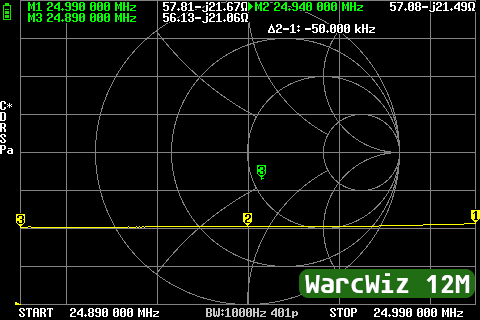
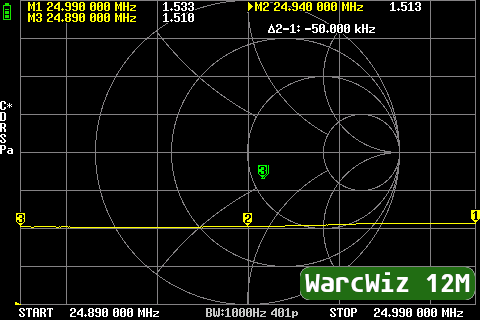
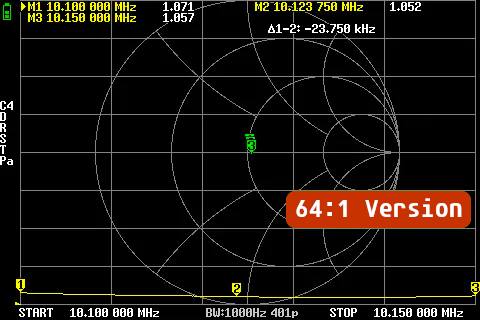
So the original 64:1 ratio with this core was really bad for the 12M band. No matter what I did, I could not get it resonant. It was hovering around 3.6:1 SWR and quite capacitive. After some discussion on Discord, I concluded that intra-winding capacitance was building up and throwing off the matching. I went back to the drawing board in the opposite direction and went with a 36:1 (3:18) ratio. It was a much more workable compromise for all 3 bands of this build.
17M Section
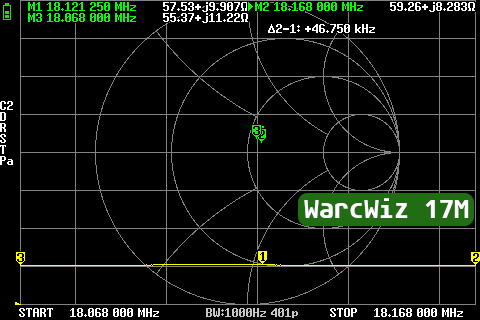
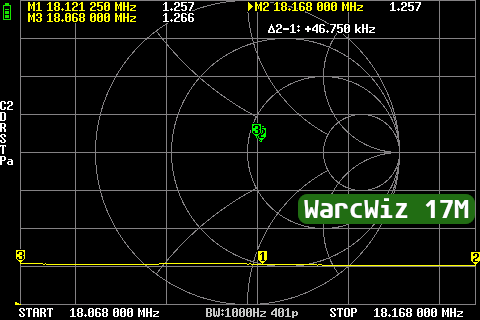
The 17M section matched up quite well.
30M Section
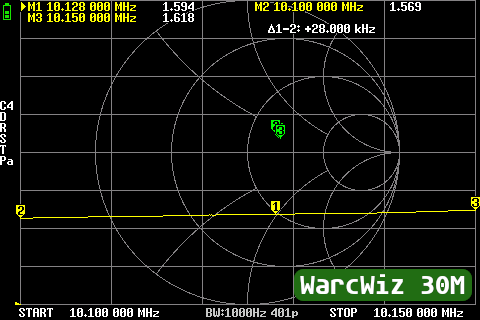
The 30M section is OK, but could be better. It was absolutely superb with the 64:1 iteration. If I was going to build a monobander for 30M, I would go with the 64:1 iteration.

Digital Tests
I operated FT8 and ran my standard 20 minute, 1 Watt WSPR test on each of the legs. The antenna was deployed in a sloper configuration.
12M
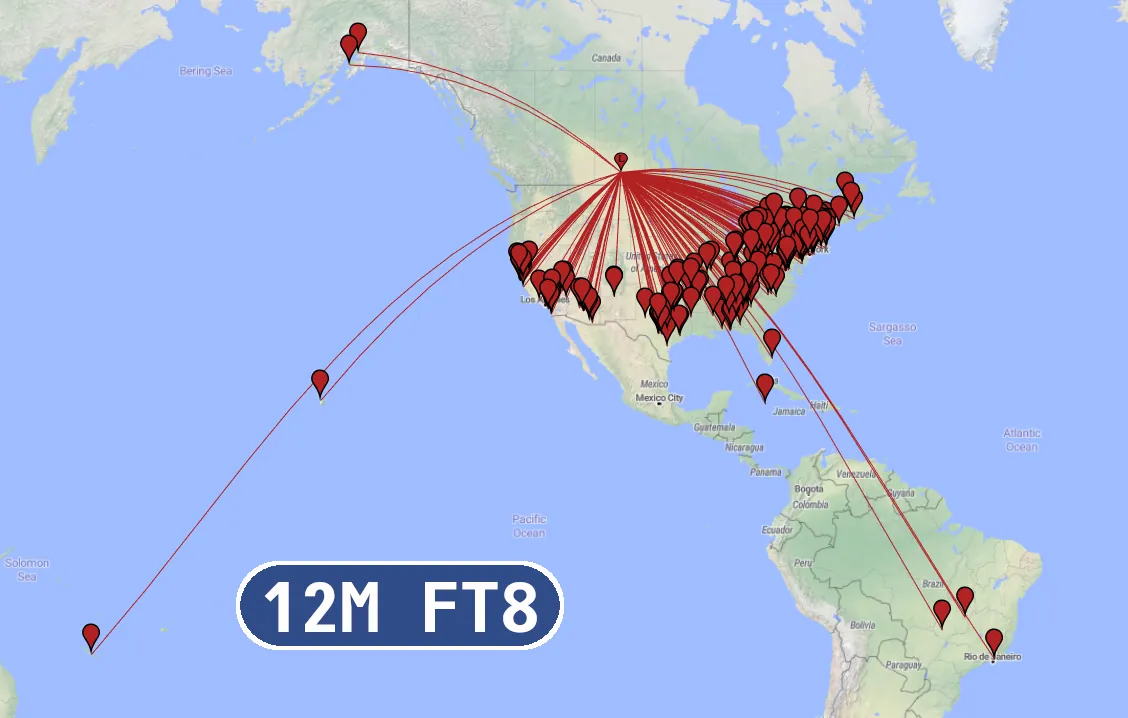
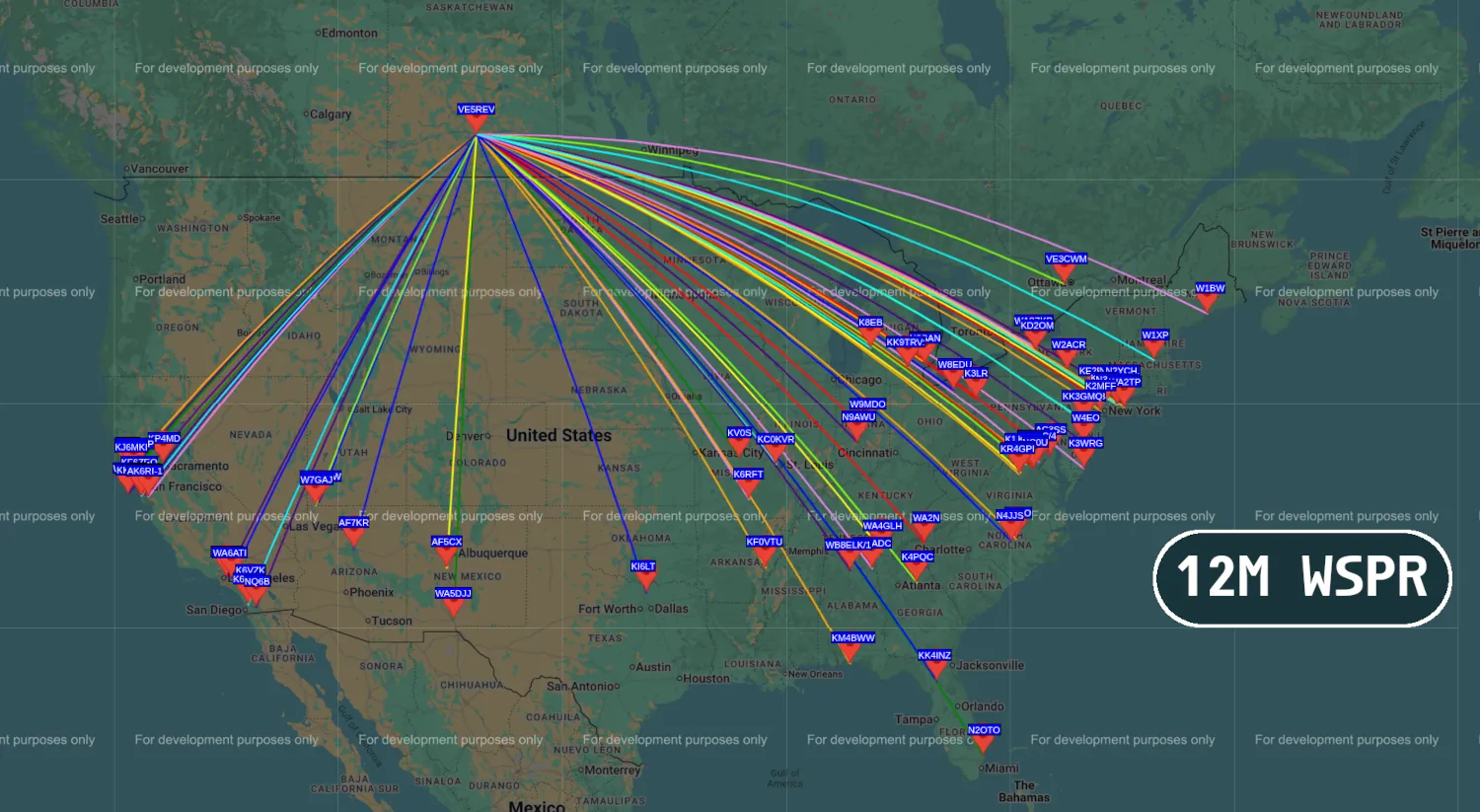
174 12M Contacts:
| SNR: | Min: -33 | Max: +05 | Avg: -15 |
| KMs: | Min: 1,602 | Max: 3,437 | Avg: 2,252 |
17M
It should be noted that the 17M test was done at grey line.
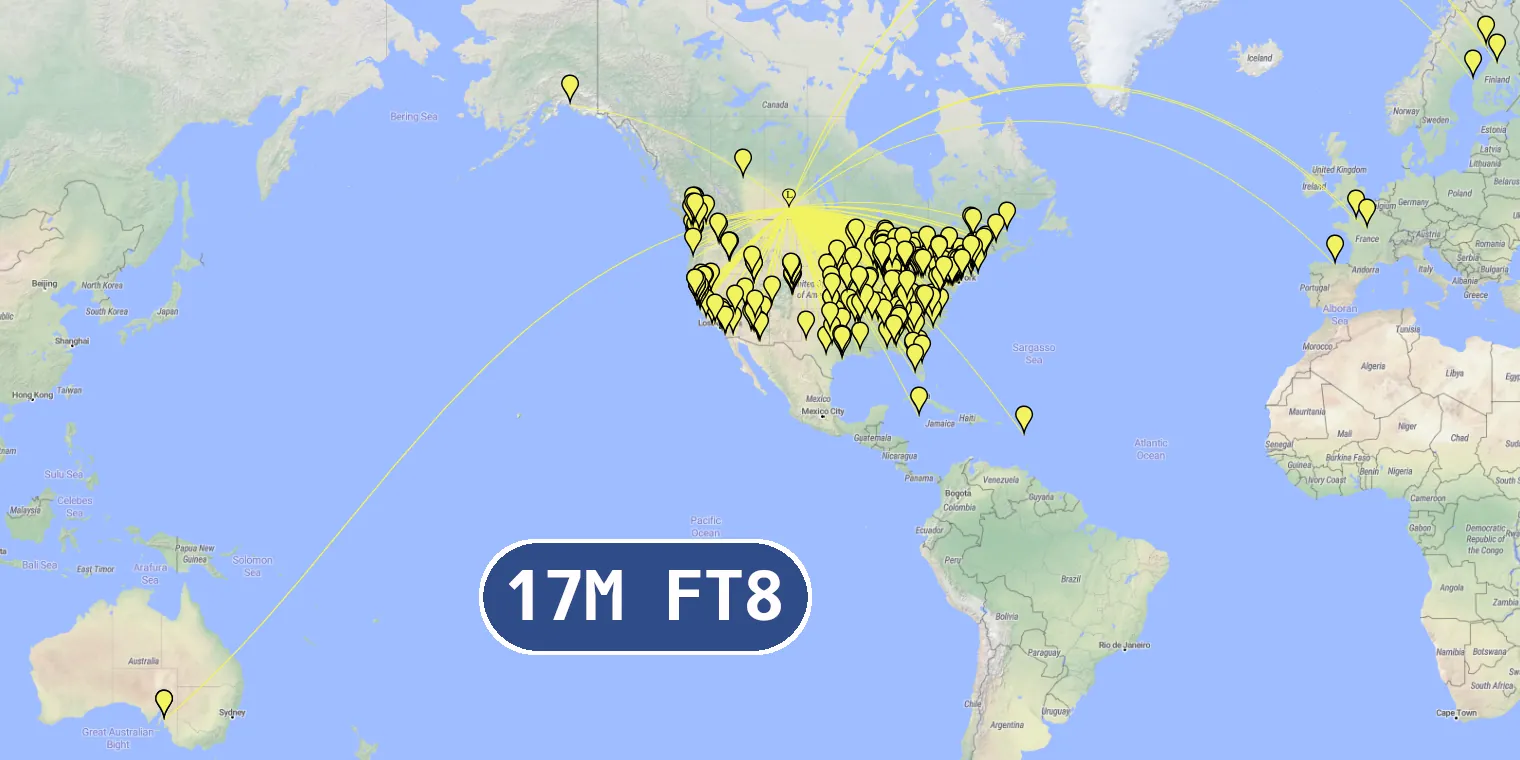
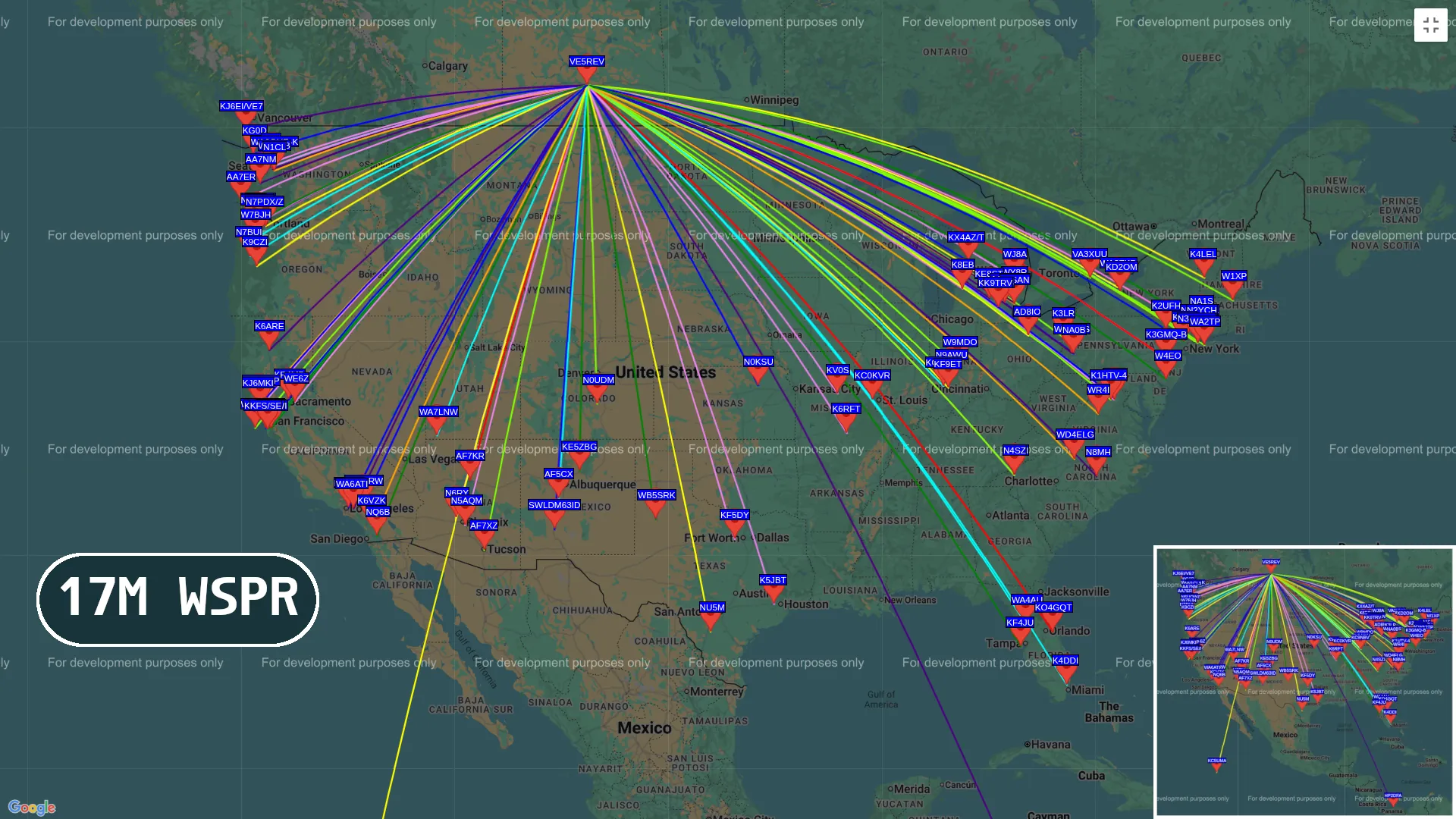
150 17M Contacts:
| SNR: | Min: -32 | Max: +07 | Avg: -15 |
| KMs: | Min: 1,240 | Max: 3,464 | Avg: 2,056 |
30M
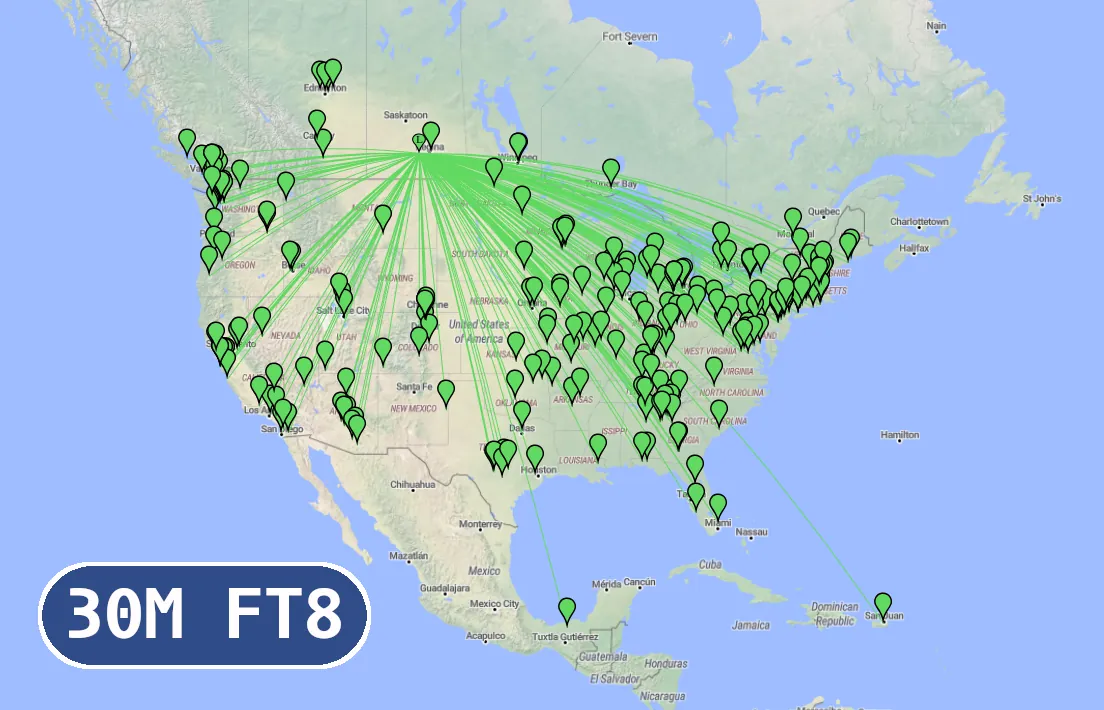
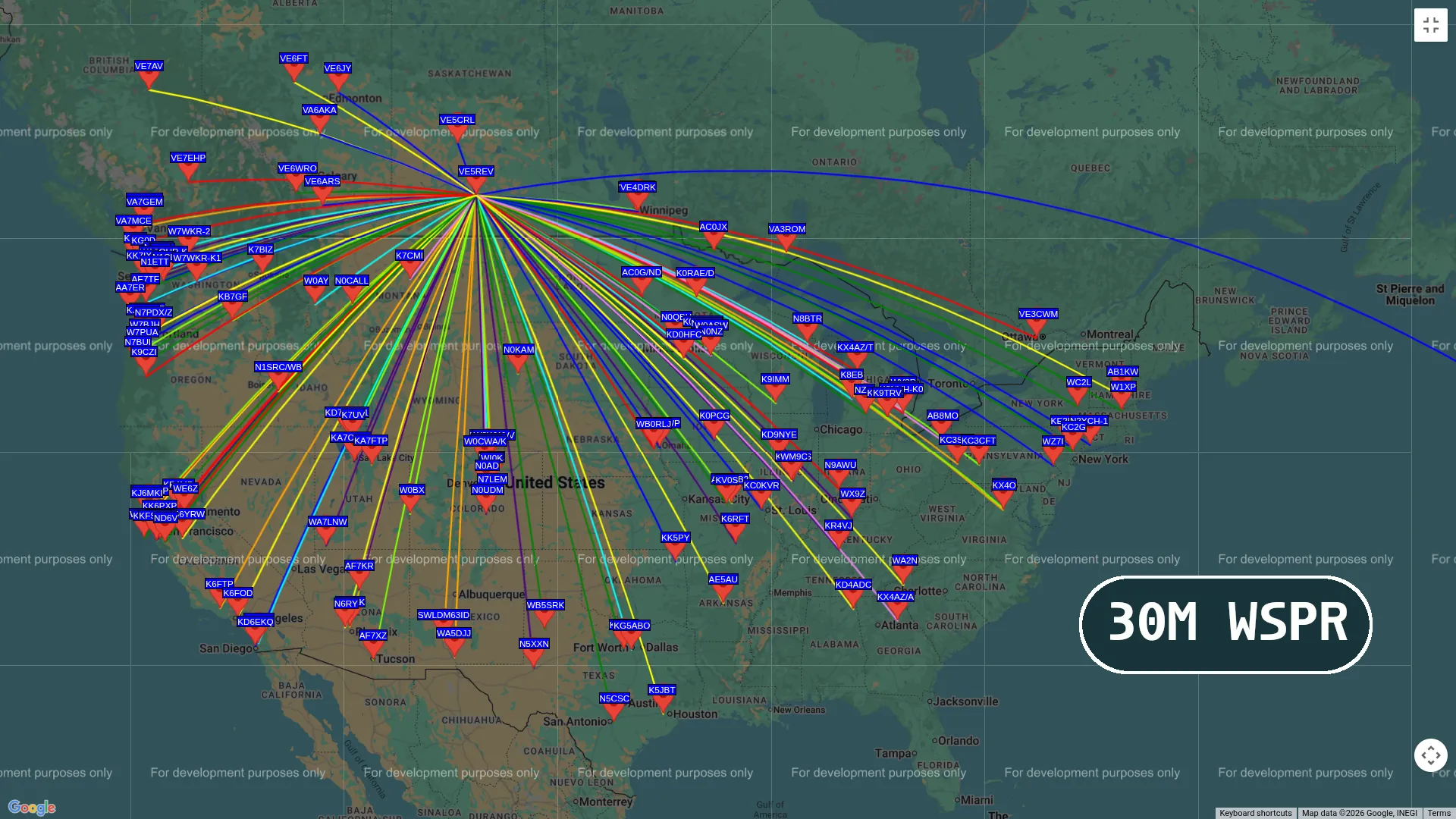
207 30M Contacts:
| SNR: | Min: -32 | Max: +19 | Avg: -13 |
| KMs: | Min: 202 | Max: 2,715 | Avg: 1,513 |
POTA Activation
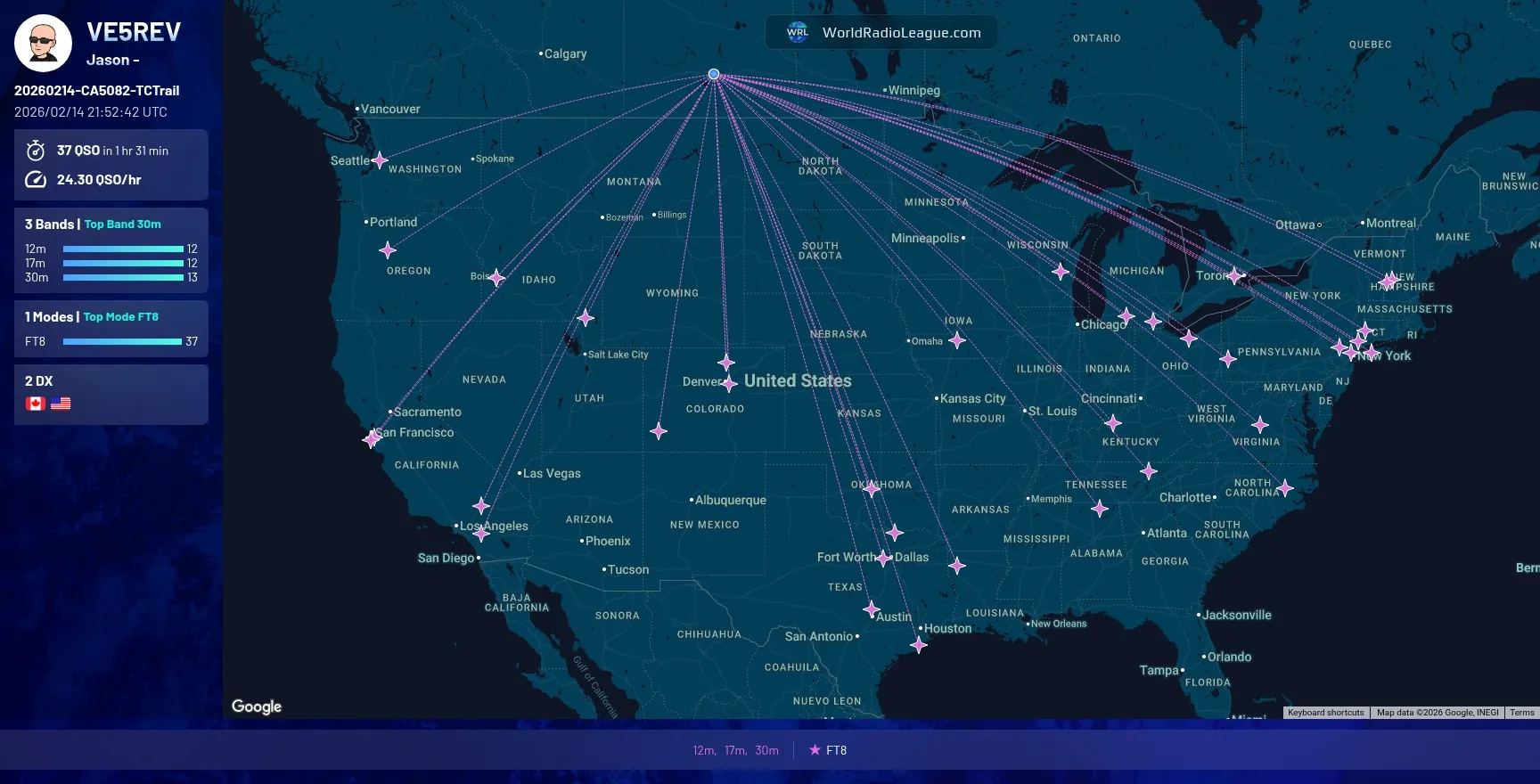
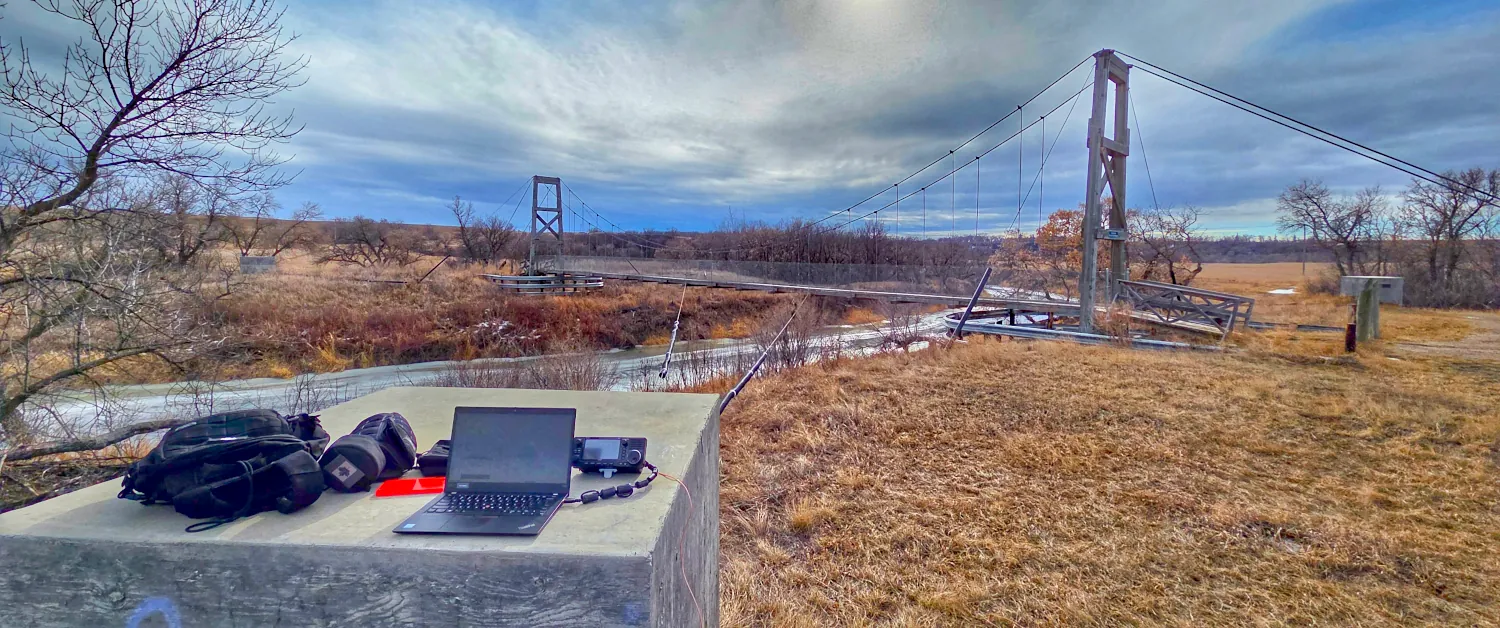
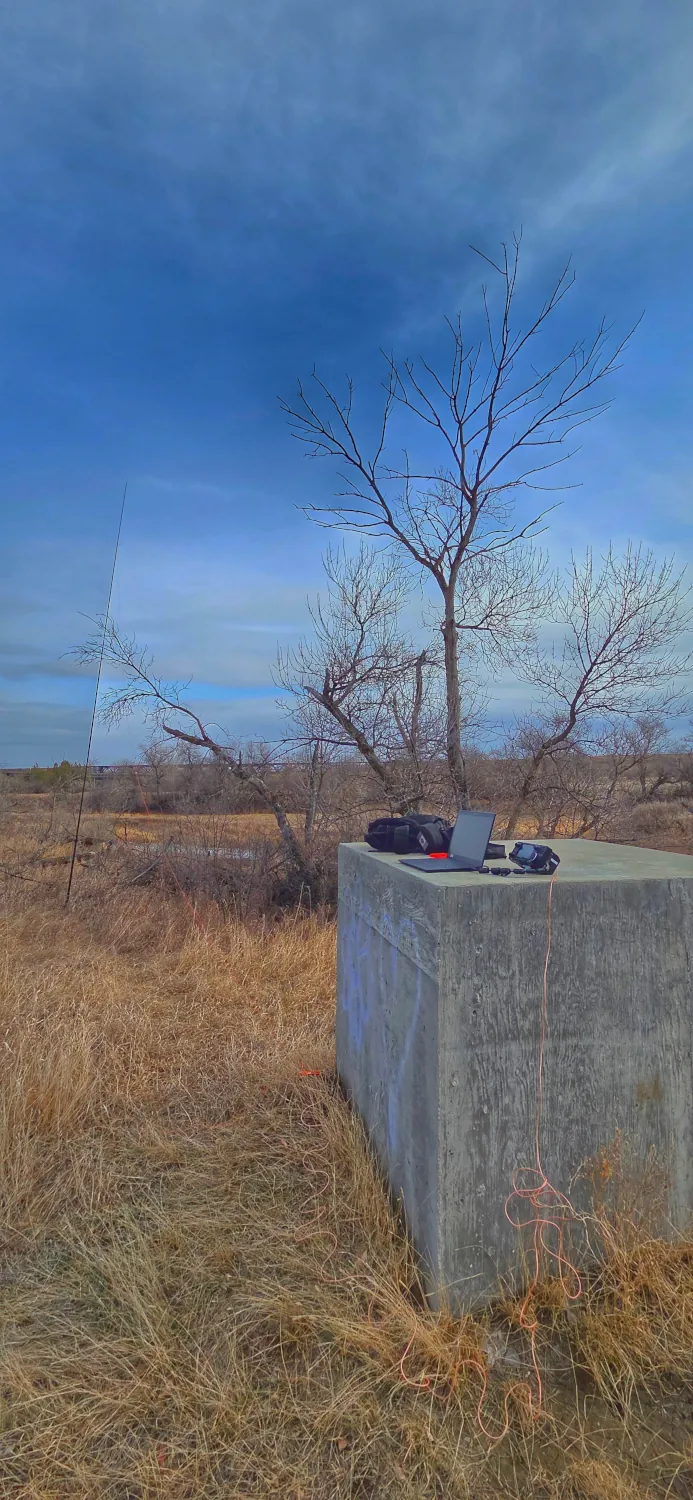
I used the WarcWiz on all three bands for a 10 Watt FT8 POTA Activation at CA-5082 the TransCanada Trail. I was aiming for 12 contacts on each band. I ended up with one extra on 30M. All in all everything went very well. Changing bands in the field was extremely easy with the links. The average SWR was just under 1.5:1 on each band.
Conclusions
Well, I think we can have good confidence in the real-world performance of this core. It really does make for a nice and compact performer. The linking system is such a great setup as well. Tuning the antenna legs was so easy and convenient. I will definitively be using the linking system in future builds. They have excellent performance and solve the EFHW harmonic issues that can sometimes be a pain.
The Smokin Ape has begun doing some work with this core as well so be sure to check out his videos.
73 de VE5REV